All the World is Sea: Naxos
The route has a total length of 270 kilometers and takes approximately 10 hours by car or motorcycle, without stops and without a guide. It is recommended all year round and is intended for visitors interested in local cuisine, local culture, nature, adventure, exploration, and activities such as hiking, mountaineering, cycling, water sports, diving, tasting, geotourism, and birdwatching.
Naxos, the largest island of the Cyclades, is a land rich in imagery and contrasts - with mountains and valleys, fertile plateaus and mineral wealth, springs and beaches, olive groves and vineyards. It is an island where nature, people, and culture coexist and harmonize eternally, where every piece of land bears fruit and every stone tells its own story.
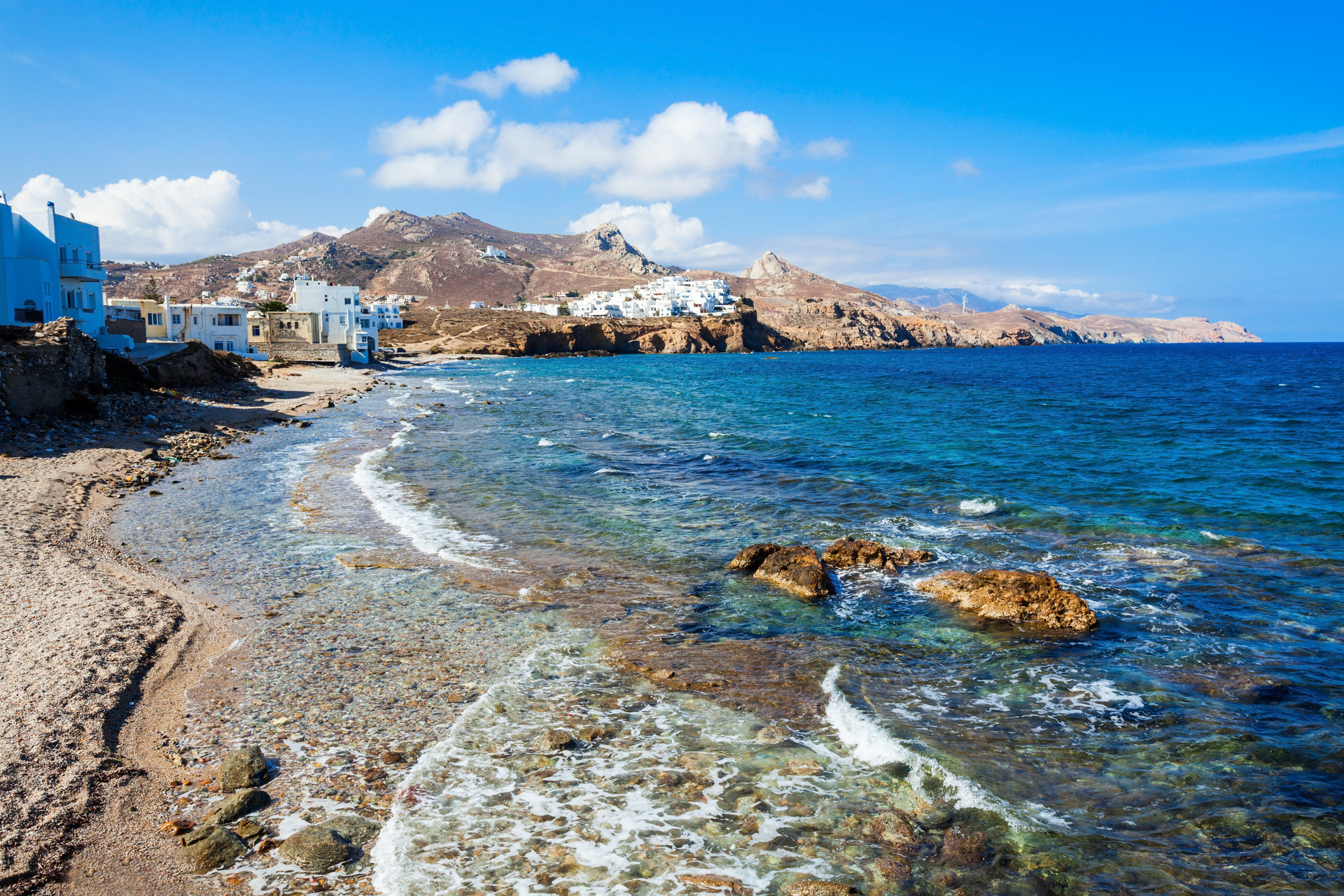
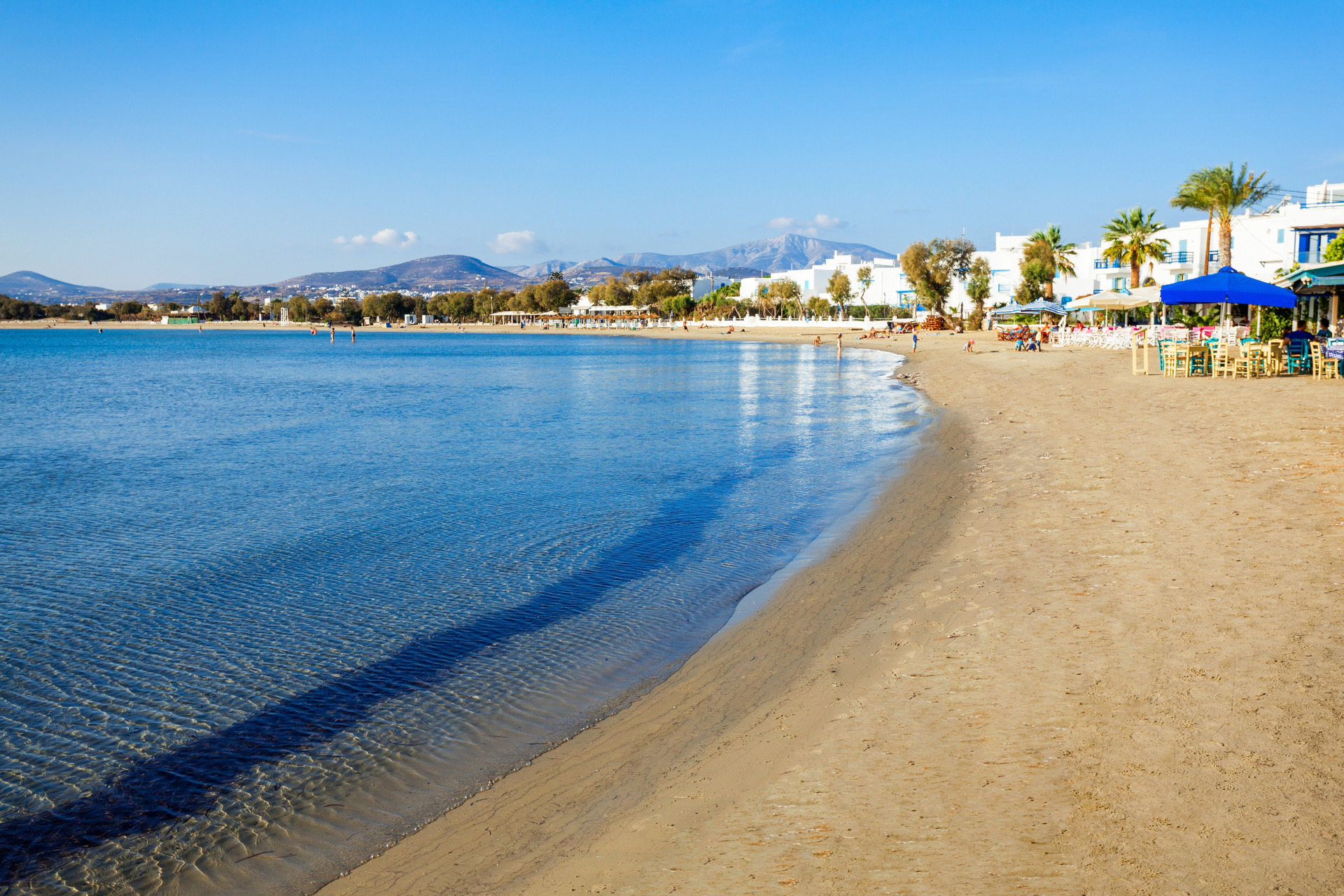
Mount Zas (or Zeus) is the highest peak in the Cyclades, offering panoramic views of the entire Aegean, while on its slopes lies the cave of the same name, associated with the childhood of Zeus. Naxos has an extensive network of hiking trails connecting villages, monuments, mountains, ravines, and coastlines. In Keramoti, surrounded by lush vegetation, the Routsouna waterfall forms a magical natural pool, while in Alyki lies the largest wetland in the Cyclades, home to rare bird species. Naxos also boasts stunning beaches - Agios Georgios, Agios Prokopios, Agia Anna, Mikri Vigla, Abram, and Plaka - and an underwater world both rich and fascinating.
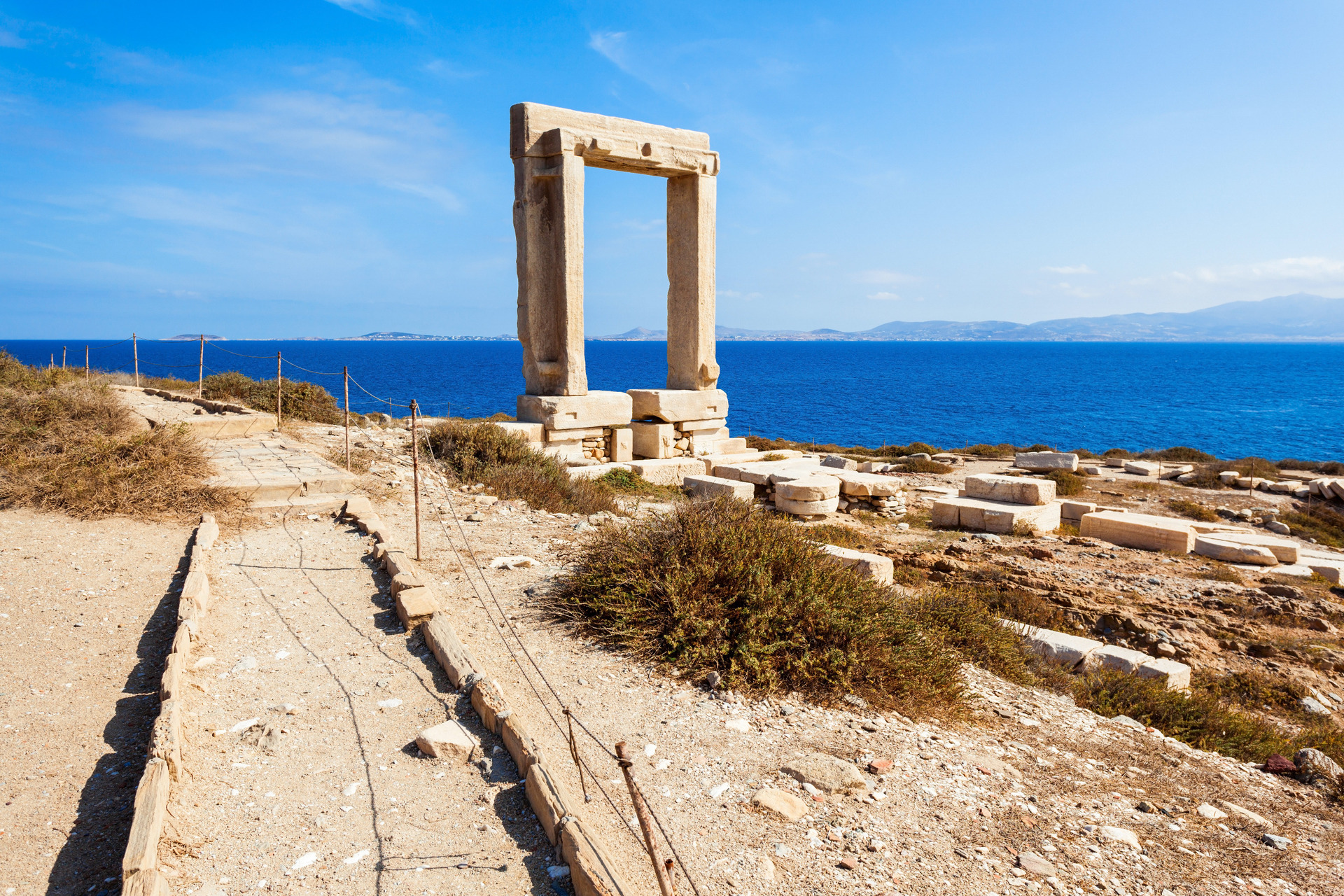
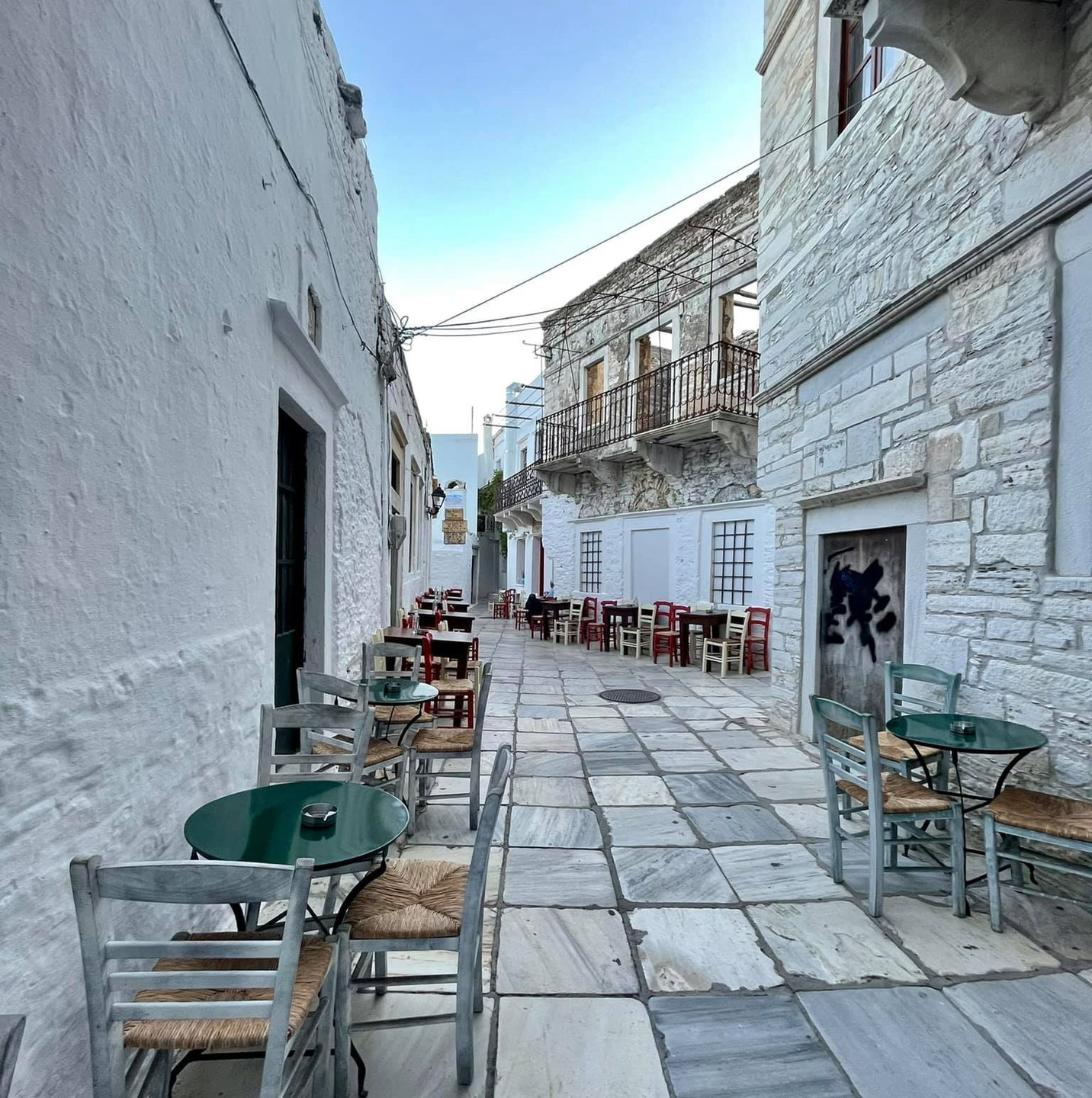
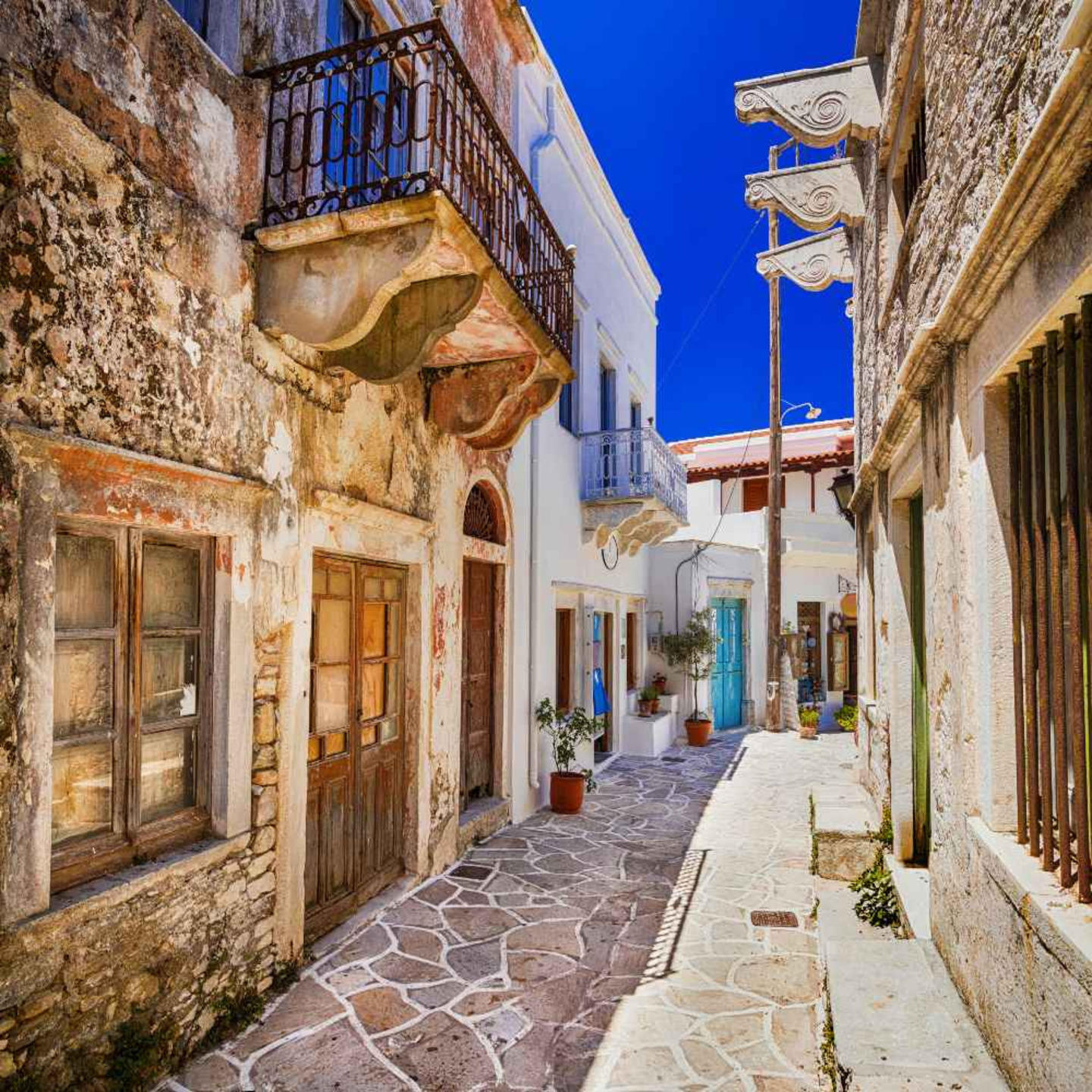
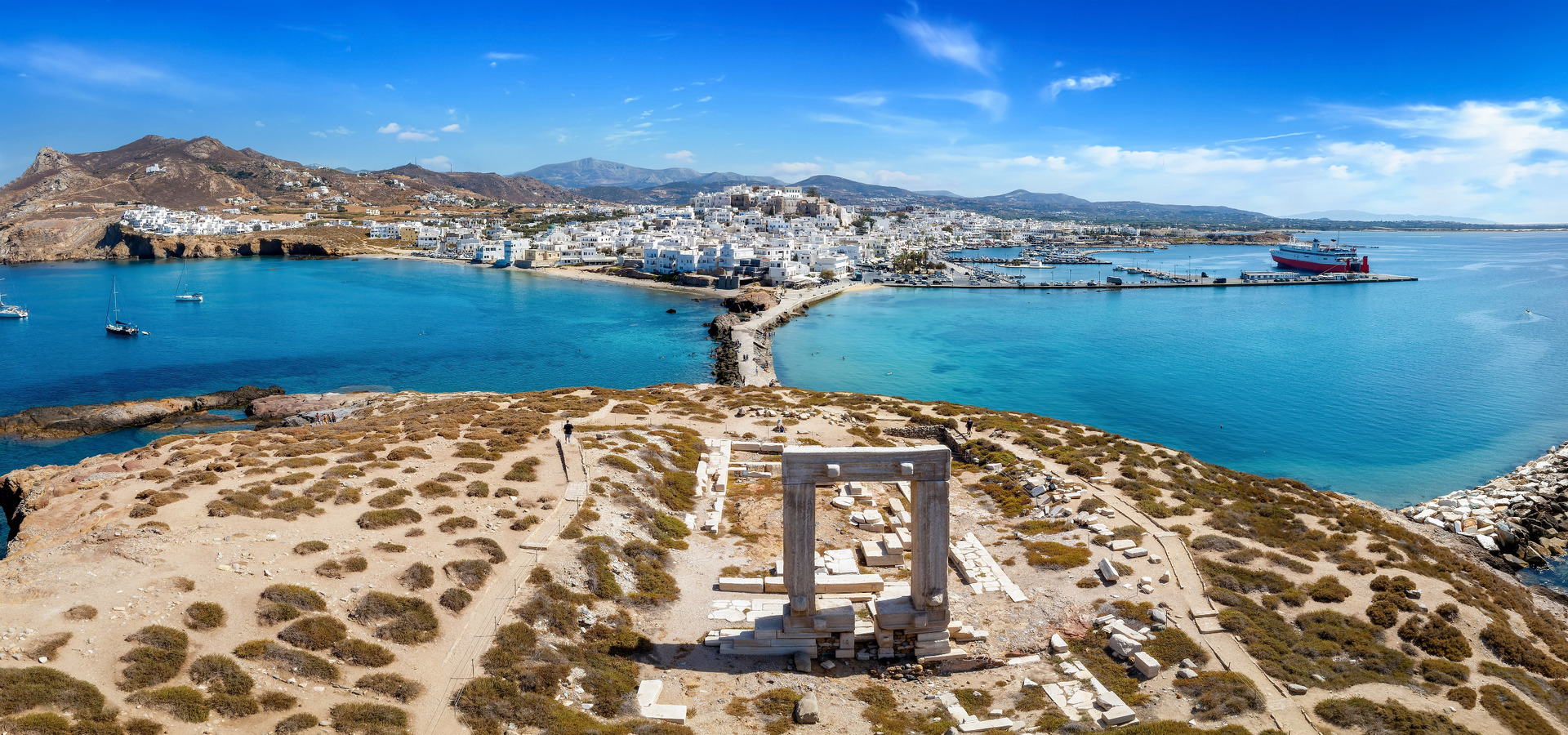
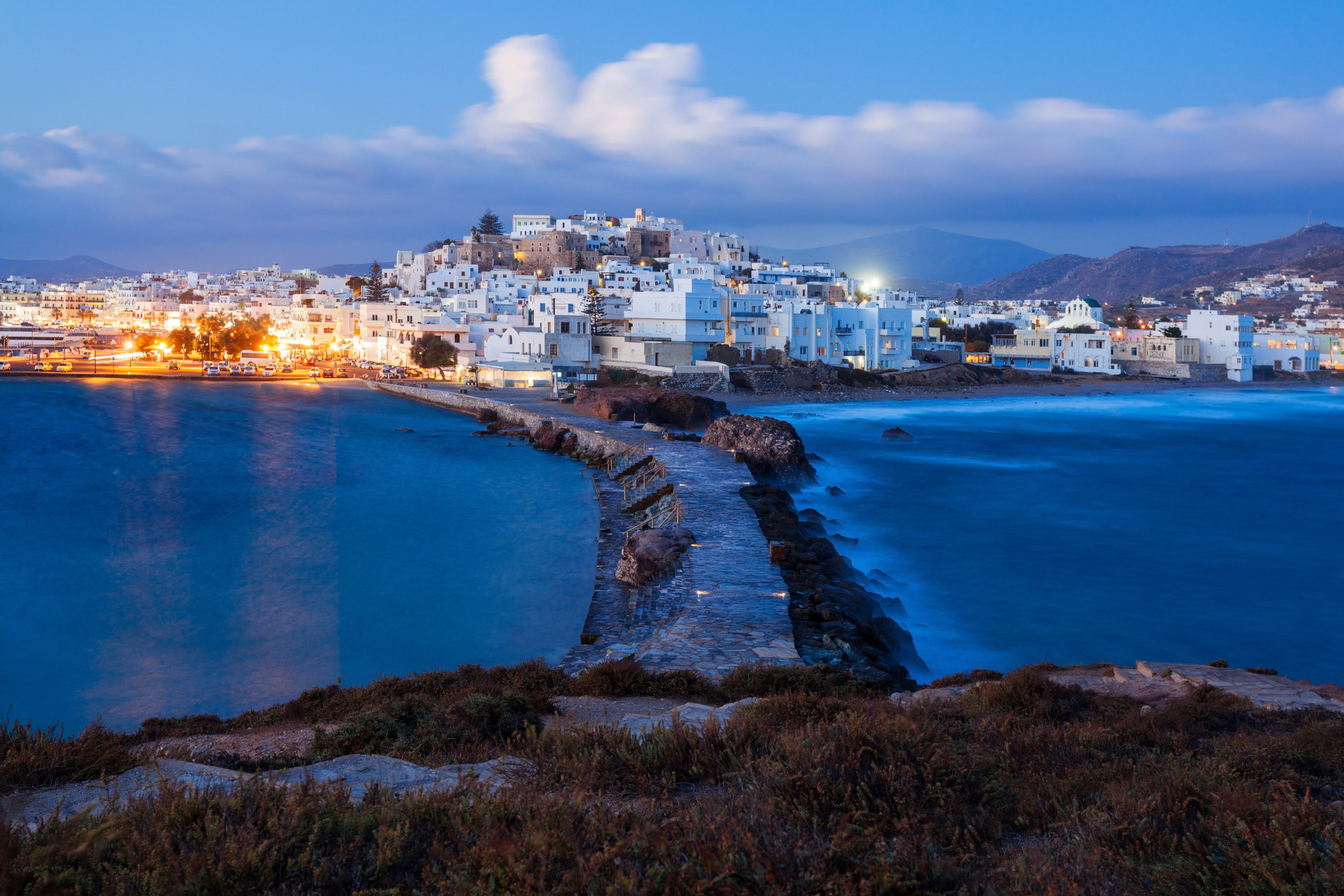
Arriving at the port, Chora greets you with the impressive Portara, the marble gateway of the ancient Temple of Apollo, standing proudly on the islet of Palatia. Wandering through Chora’s picturesque alleys, you’ll quickly sense the lingering Venetian air - the medieval castle, the noble mansions with family crests, and the Sanudo Palace, now housing the Archaeological Museum, all speak to that past.
In the island’s interior, the soul and beauty of Naxos are revealed. In the fertile valley of Livadi and Melanes lie the ancient quarries that provided the famed Naxian marble. Here stands the Sanctuary of Dionysus at Yria, while the villages of Kournochori and Myloi host the quarries of Flerio and the impressive kouroi statues. Melanes is known for its Venetian watchtowers, Glinado spreads among fertile potato fields, and Galanado sits beneath the Belonia Tower. In Sangri, the Gratsia and Bazeos Towers and the ancient Temple of Demeter stand among numerous churches, earning the area the nickname «Little Mystras.»
The Tragaia Valley, in the heart of Naxos, is renowned for its charming villages. In Halki, Venetian architecture and the Frangopoulos Tower reflect its glorious past. Moni is home to the historic Church of Panagia Drosiani, built with local stone domes, and Panagia Protothroni, a splendid example of Byzantine art. Filoti, the island’s largest village, lies on the slopes of Mount Zas beneath the Barozzi Tower.
The unique emery-mining villages (Smyridochoria) of Naxos are living monuments of global mining and industrial heritage, thanks to the island’s historic emery mines. Apeiranthos impresses with its distinct architecture, towers, churches, museums, and the Church of Agia Kyriaki, with its rare Iconoclasm-era frescoes, while its residents keep alive the poetic tradition of kotsakia (rhyming couplets). Koronida, the island’s highest village with the Monastery of Faneromeni, is surrounded by vineyards, as is Koronos, while Danakos lies below a 12th-century fortress monastery overlooking Moutsouna. There, the mining facilities, equipment, and the striking aerial railway with its emery wagons appear frozen in time.
At the authentic Cycladic fishing village of Apollonas, on the island’s northern tip, stone steps lead to the ancient marble quarries, where the colossal bearded kouros lies unfinished. In Galini, the Tower of Ypsili surrounds a Byzantine monastery. Whichever Naxian village you find yourself in, you’ll easily discover warm hospitality and a welcoming place to stay.
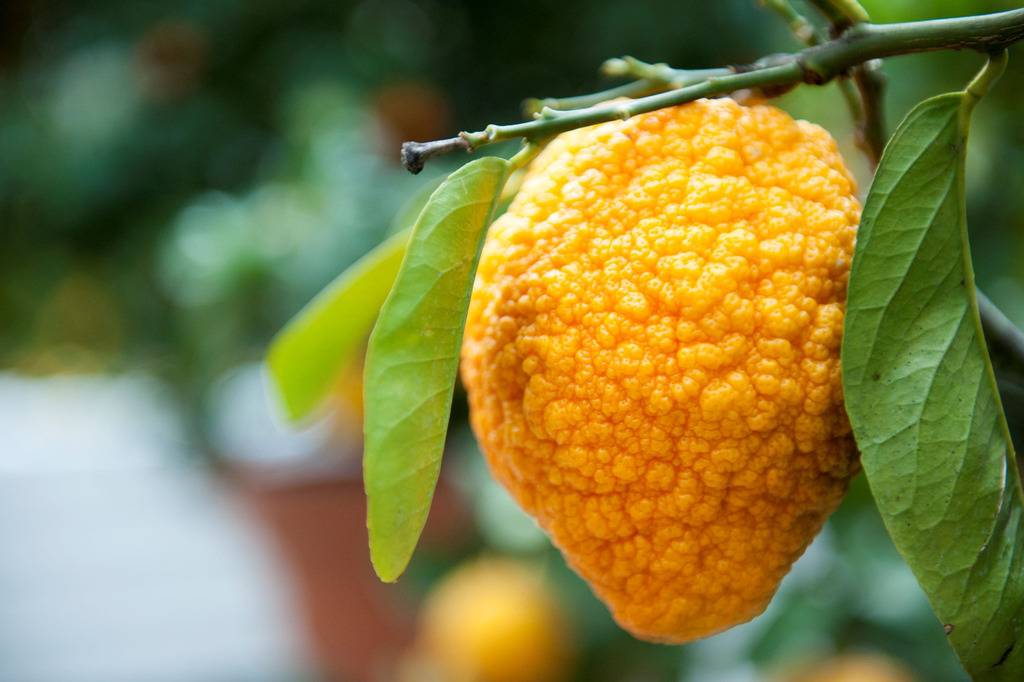
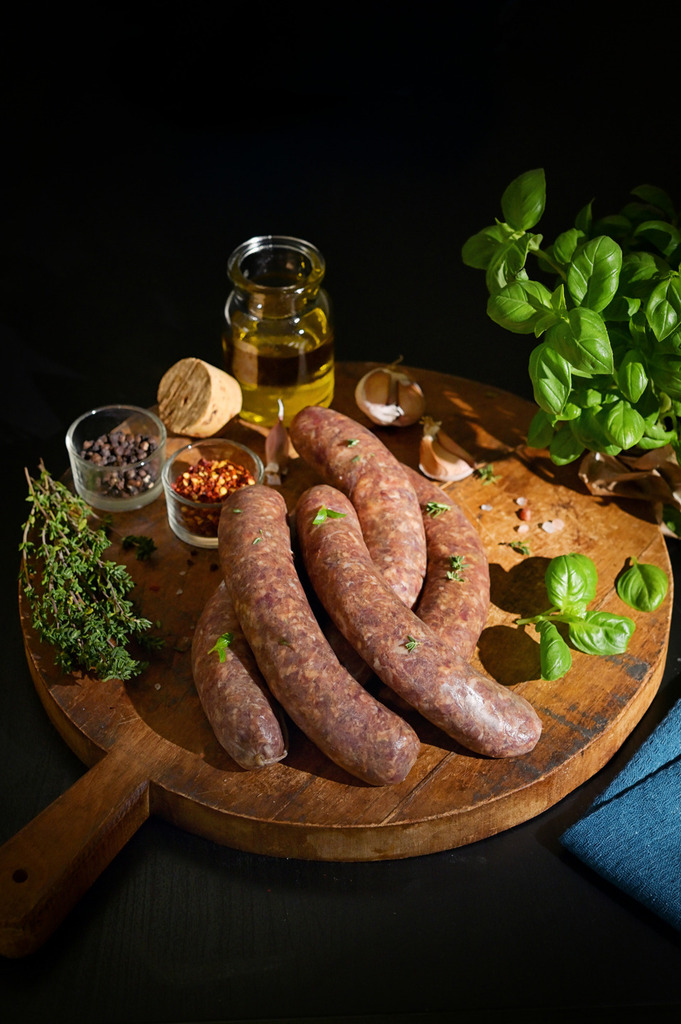
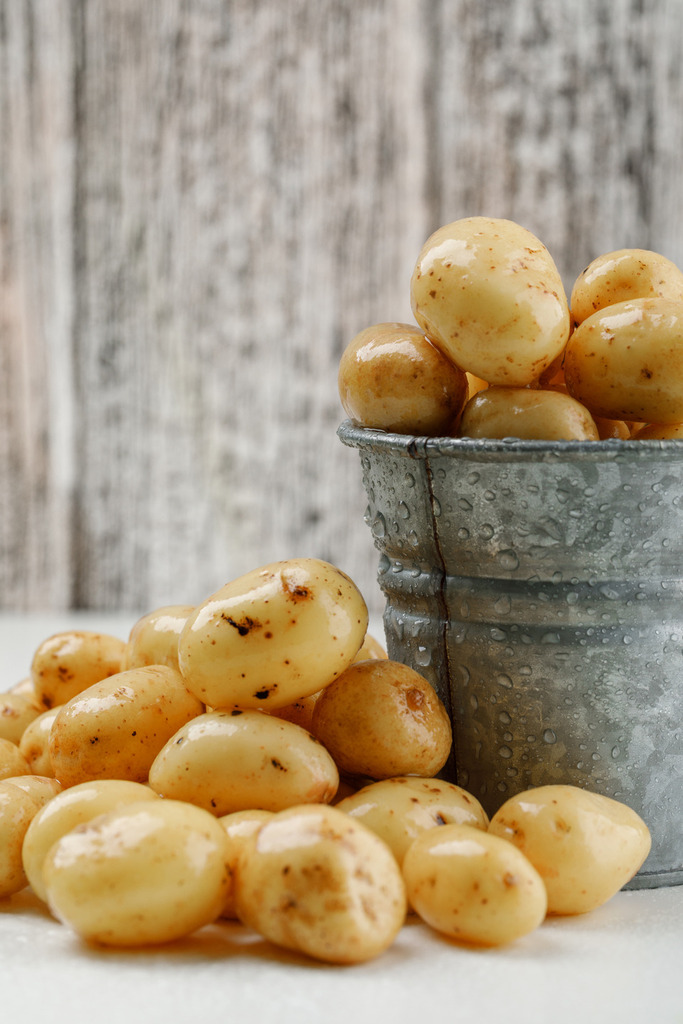
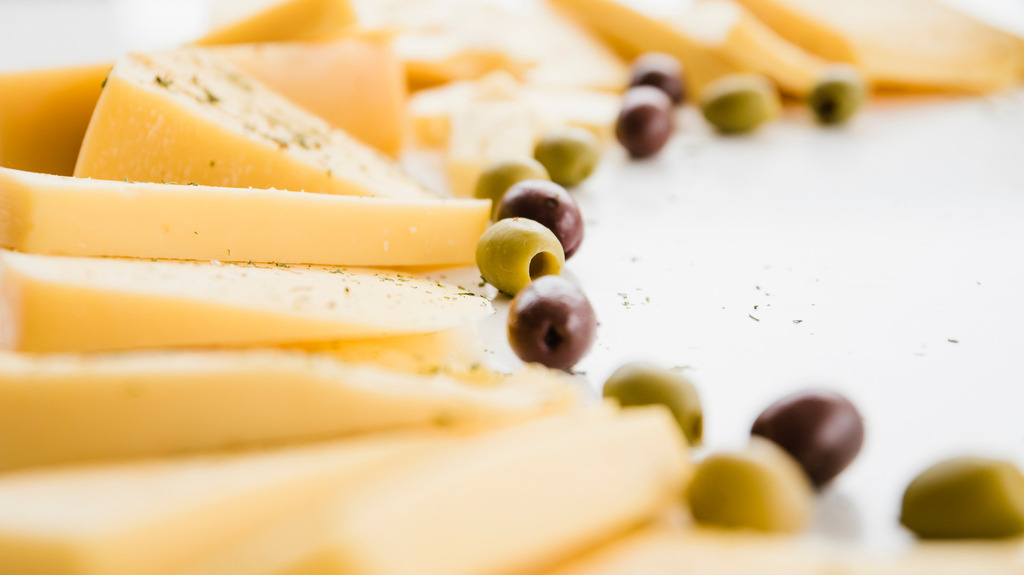
The land of Naxos generously offers products of rare taste and quality, such as potatoes, citrons, papilona (local fruit), honey, and capers. Its long cheese-making tradition produces unique cheeses - graviera, arseniko, thilyko, xinotyro, xinomyzithra, and kopanisti - while the island is also known for its distinctive cured meats like zamponi (ham), louza, sausages, and glydero. Other notable local products include «askoudes» olives, dried figs, citron liqueur, and exceptional wine varieties. According to mythology, Naxian wine was considered the nectar of the gods, and the island was said to have springs that flowed with sweet wine.
From household kitchens rise aromas of meat slowly simmered in red wine, its thick sauce mingling with pasta, or of fried rayfish pancakes. Roasted or stewed potatoes with cured pork are also often served. Sunday tables feature beef stew with eggplants and local cheeses, pies with chard, omelets with sweet zucchini, or skate with onion and olive oil–lemon sauce. At Easter, goat is roasted with patouda (stuffing), while on New Year’s Day, a warming soup of grains and legumes is prepared. And for dessert - melachrino, reminiscent of walnut cake, almond sweets with honey, and spoon sweets made from citron or papilona add a deliciously sweet finale.
Route products

PDO Products
Naxos Graviera, Naxos Arseniko, Cyclades Kopanisti
PGI Products
Naxos Potato, Cyclades Wine
Special Products
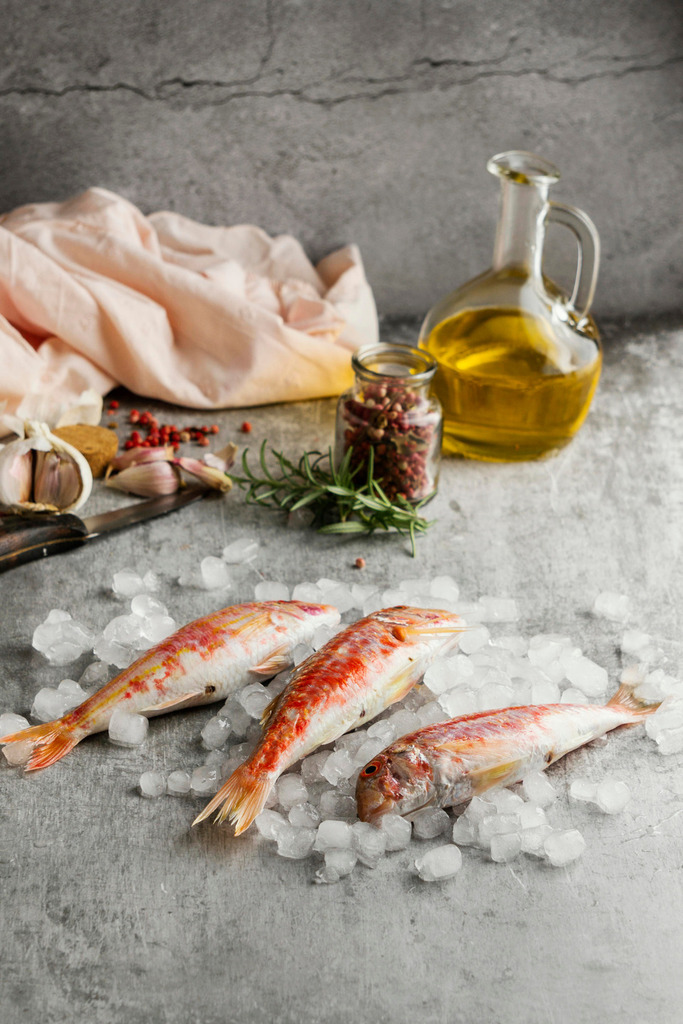
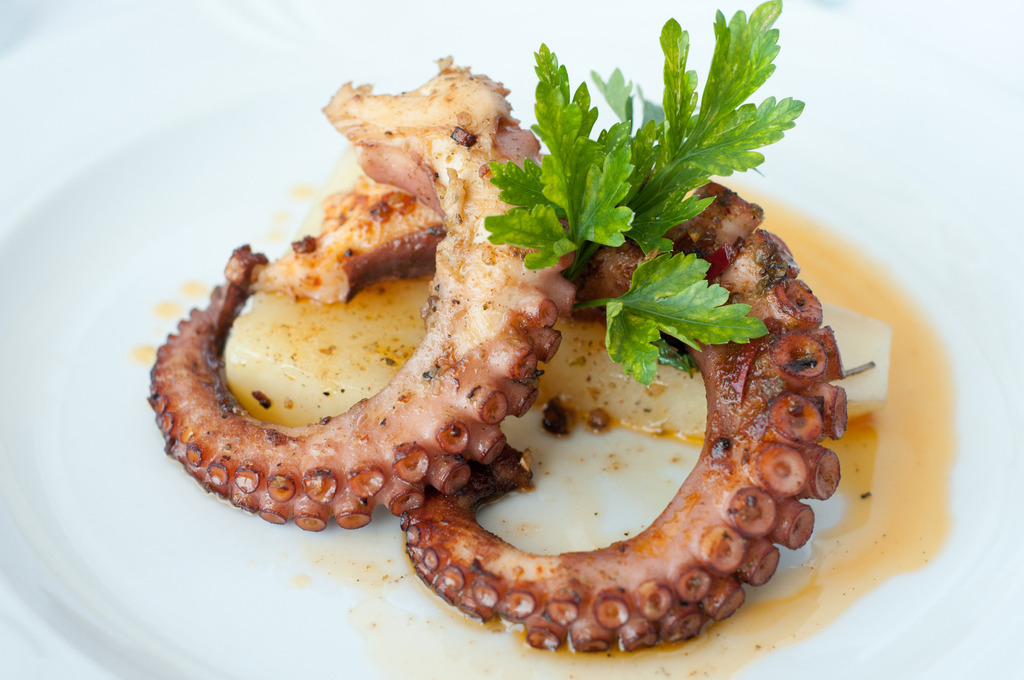
Naxos citron, xinotyro, xinomyzithra, thilyko Naxou (variant of myzithra), graviera, kopanisti, meats, fish and seafood, sausages, zamponi (cured meat), louza (cured meat), honey, citron liqueur, wine, capers, askoudes olives (natural, unprocessed olives), citron spoon sweet, papilona spoon sweet, dried figs.
Route Delicacies
Kalógeros (beef stew with xinomyzithra, graviera, and eggplants), Rosto (pork with pasta), Regkotiganites (fried smoked herring), Manouromeleta (omelet with local cheese), stewed potatoes with cured pork, Sefoukloti Naxou (chard pie), Glydero (pork preserved in its fat), goat with patouda (Easter local dish), Katsikomakaronada (goat with pasta), Kolokythopastitsa (Lenten omelet with sweet pumpkin, onion, and flour), Koukoulo maeria (New Year’s dish, soup with grains and legumes), stewed rooster, Salatouri (skate with onion and olive oil-lemon sauce), Melachrino (local walnut pie), almond sweets with honey.
Route delicacies
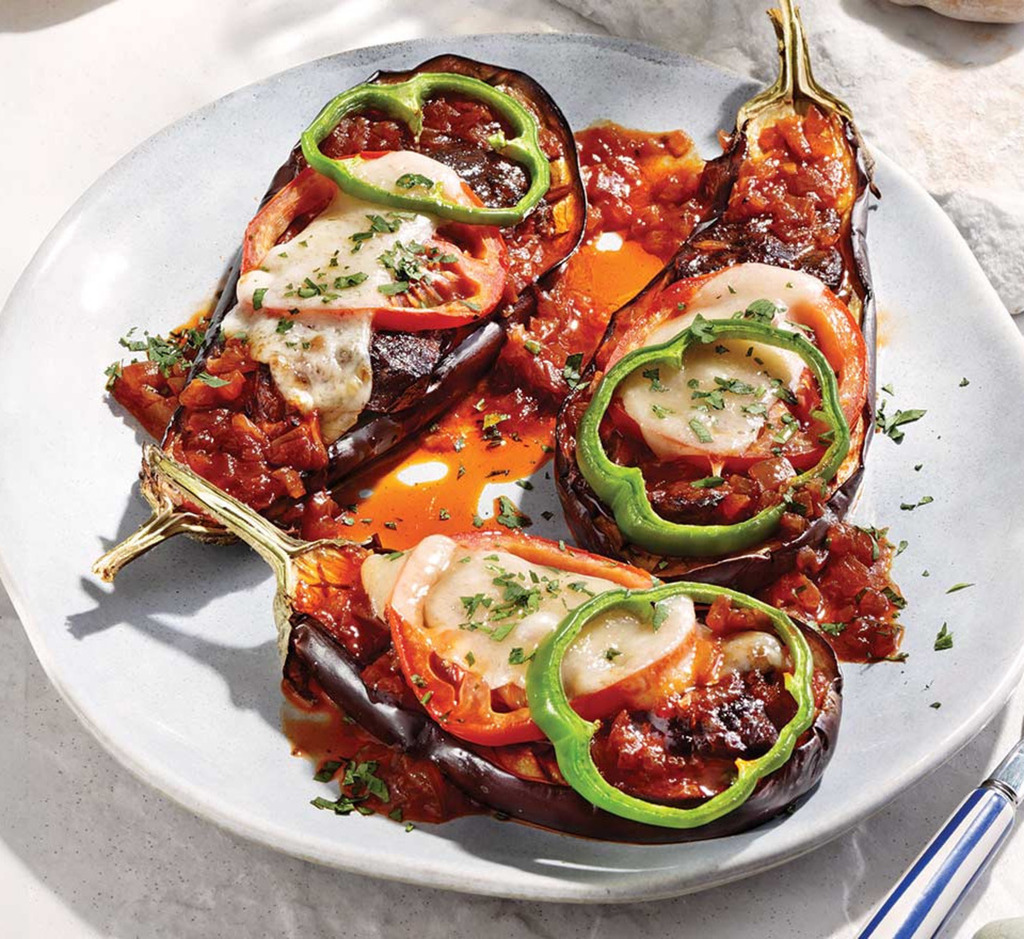
Kalógeros
A typical dish of the island, consisting of stuffed eggplants and stewed beef. It gets its name from the visual resemblance of the dish, as the eggplant looks like a robed monk (kalógeros). Once roasted, the eggplants become soft, forming the perfect casing for the filling. The meat, cooked with cherry tomatoes, onion, and herbs, becomes tender and full of flavor. Tomato slices add freshness, while Naxos graviera gives a salty intensity and golden crust. It is served hot with crusty bread and Naxian wine.
Rosto
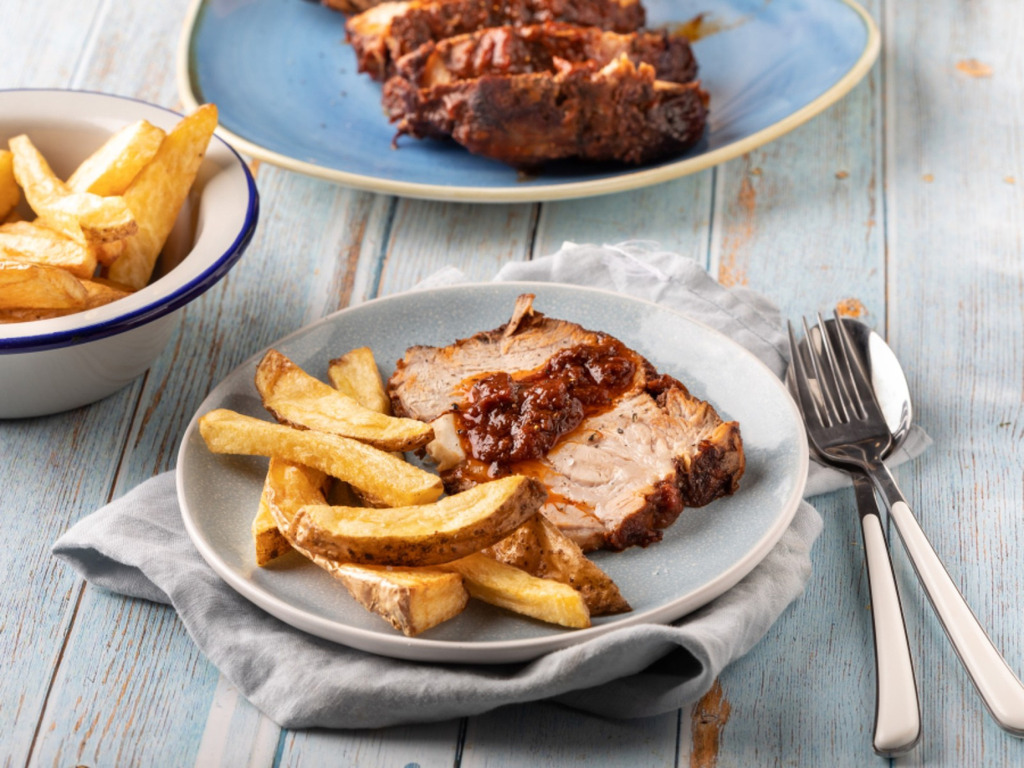
A characteristic dish of Naxos, especially of Apeiranthos, with many variations. It can be made with pork or itsiko - lean goat or aged sheep - with the addition of tomato paste or white wine. Itsiko is customary for weddings, though the most common version is stewed pork. It is slow-cooked for hours in red wine, tomato, and herbs until extremely tender, with a thick, glossy sauce reminiscent of glaze. Garlic, allspice, and herbs provide aromatic depth. Thick pasta or, alternatively, Naxos potatoes cut into wedges are boiled in the sauce, absorbing its aromas, and served with the meat. The dish is topped with grated arseniko cheese and paired with Naxos red wine.
Regkotiganites
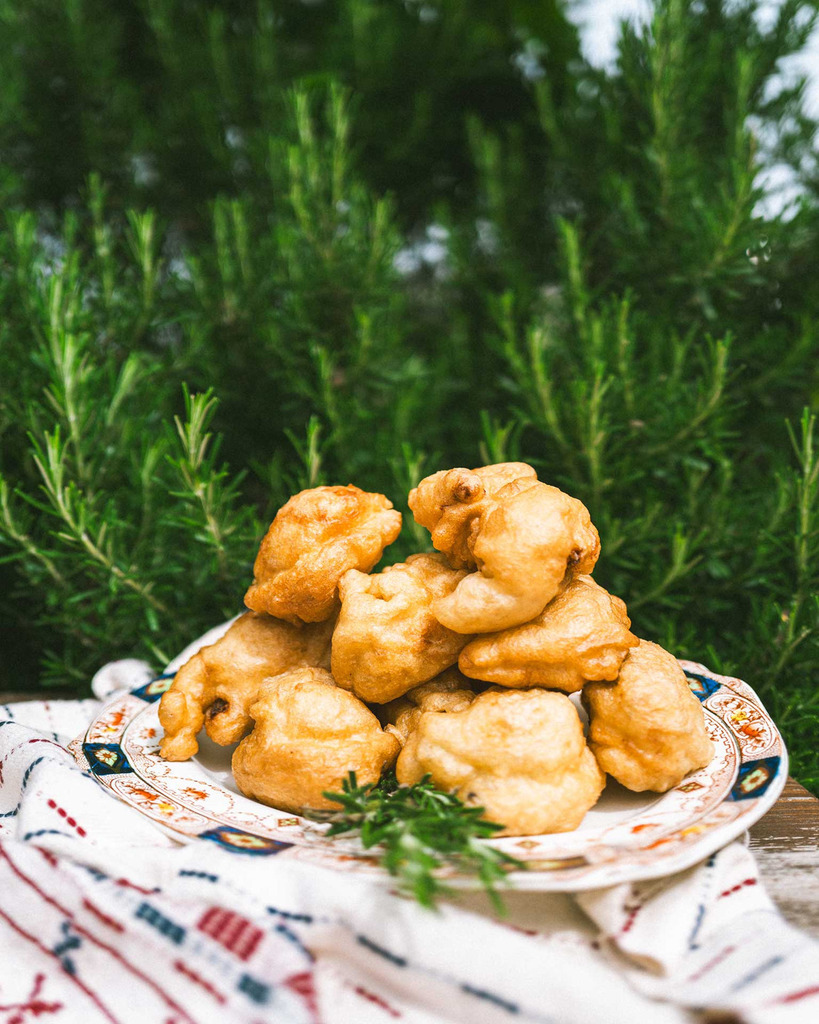
A dish Naxians enjoy as a snack at any time of day or as a side to other meals such as legumes. Smoked herring is soaked in water to soften, then fried in olive oil until it forms a crispy crust that harmonizes with its salty, smoky flavor. Finally, a few drops of lemon add freshness, allowing the herring’s intensity to unfold in every bite.