In Serifos, You Were a Bird
The route has a total length of 105 kilometers and takes approximately 4 hours by car or motorcycle, without stops and without a guide. It is best enjoyed in spring, summer, or autumn, and is designed for visitors interested in local cuisine, culture, mining history, nature, and activities such as hiking, cycling, climbing, swimming, diving, and geotourism.
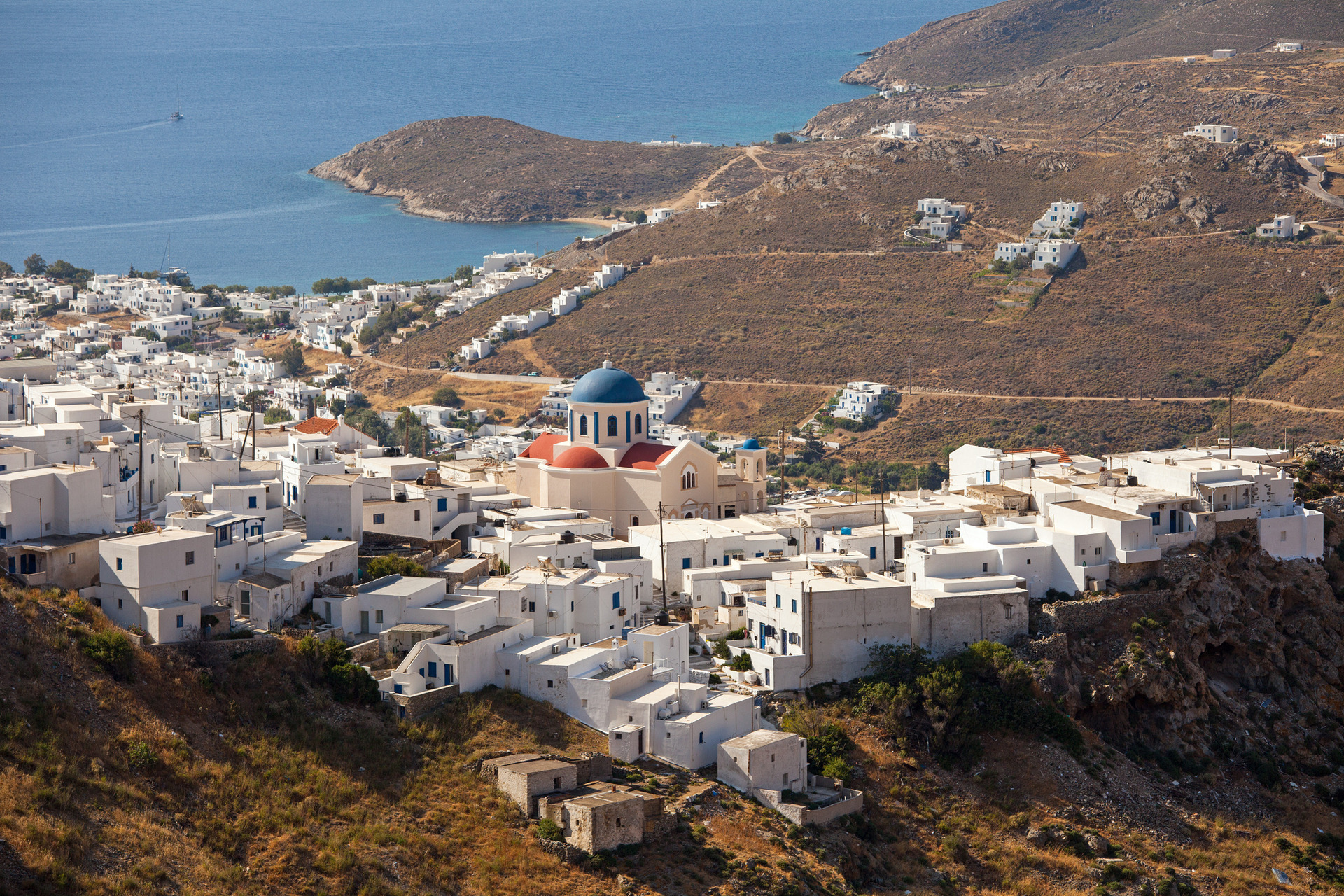
Serifos, an island steeped in history - birthplace of Perseus and the mythical Cyclopes - invites you to discover its distinctive character and timeless charm. Its rugged, sun-drenched landscape stretches between hills and fertile orchards, where locals still cultivate the land. Rich in iron and copper, its soil has shaped the island’s unique industrial heritage and earned it the name «The Island of Iron.» Its coastline, abundant in fish, boasts seventy-two beaches - among them Psili Ammos, one of the most beautiful in the Mediterranean.
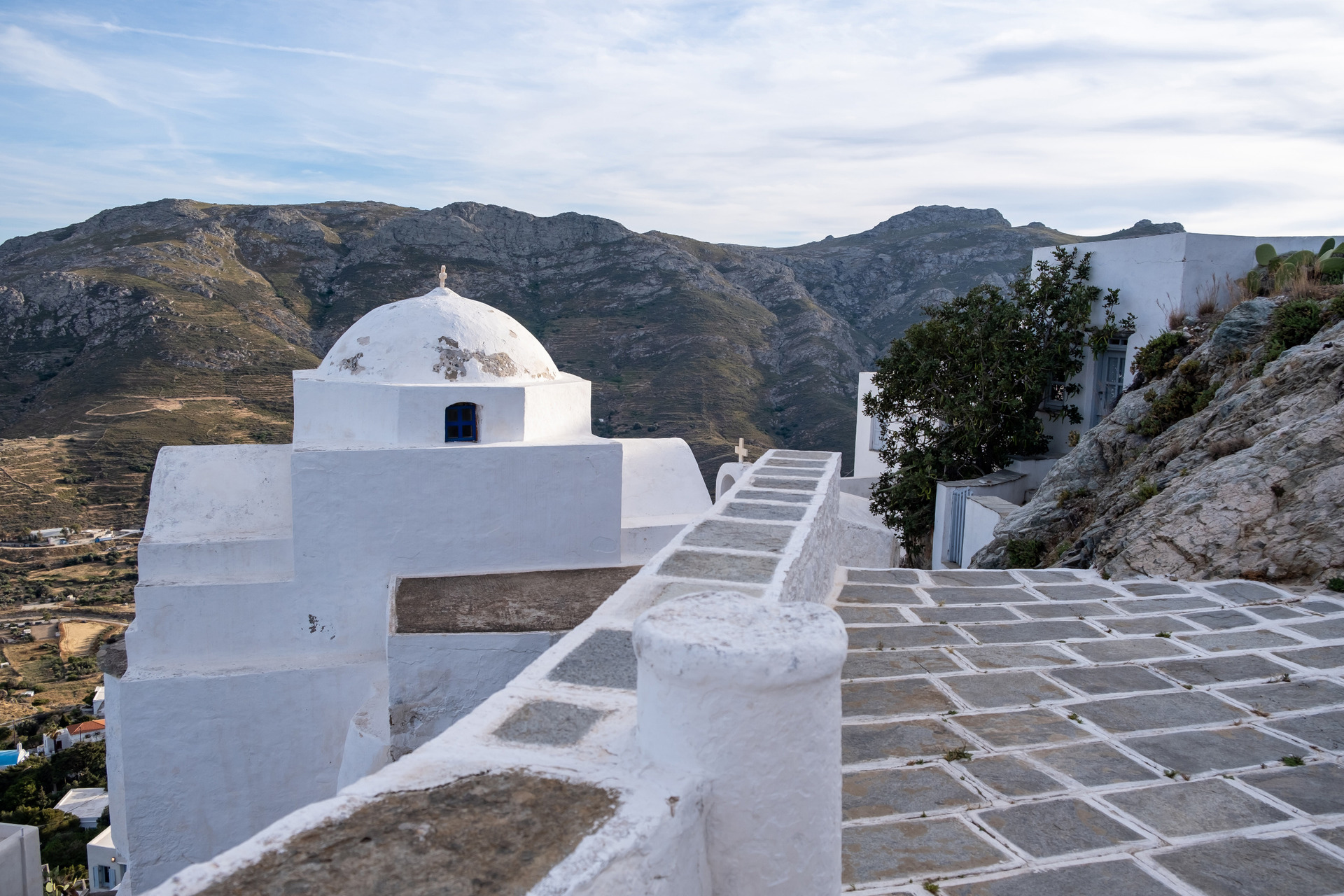
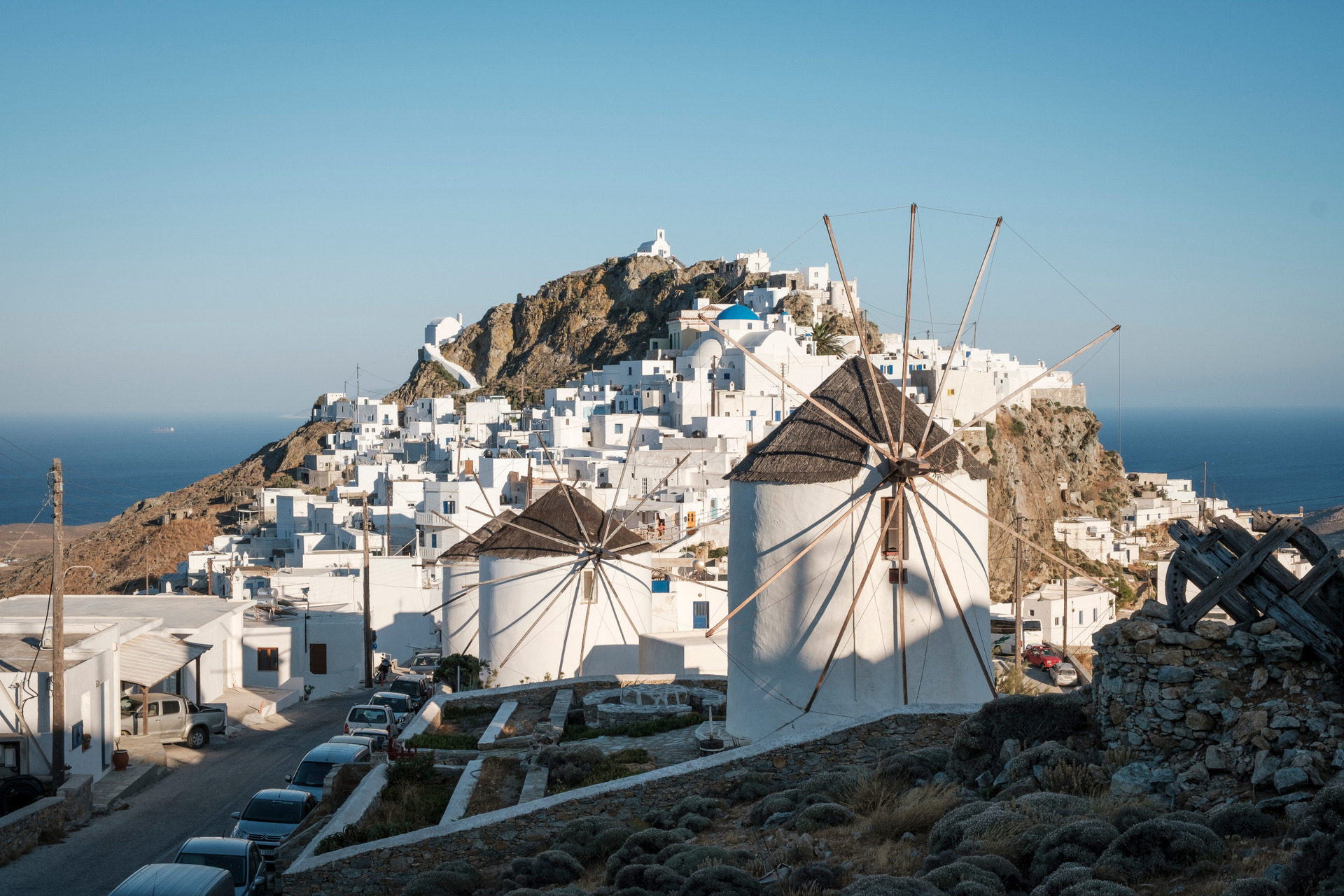
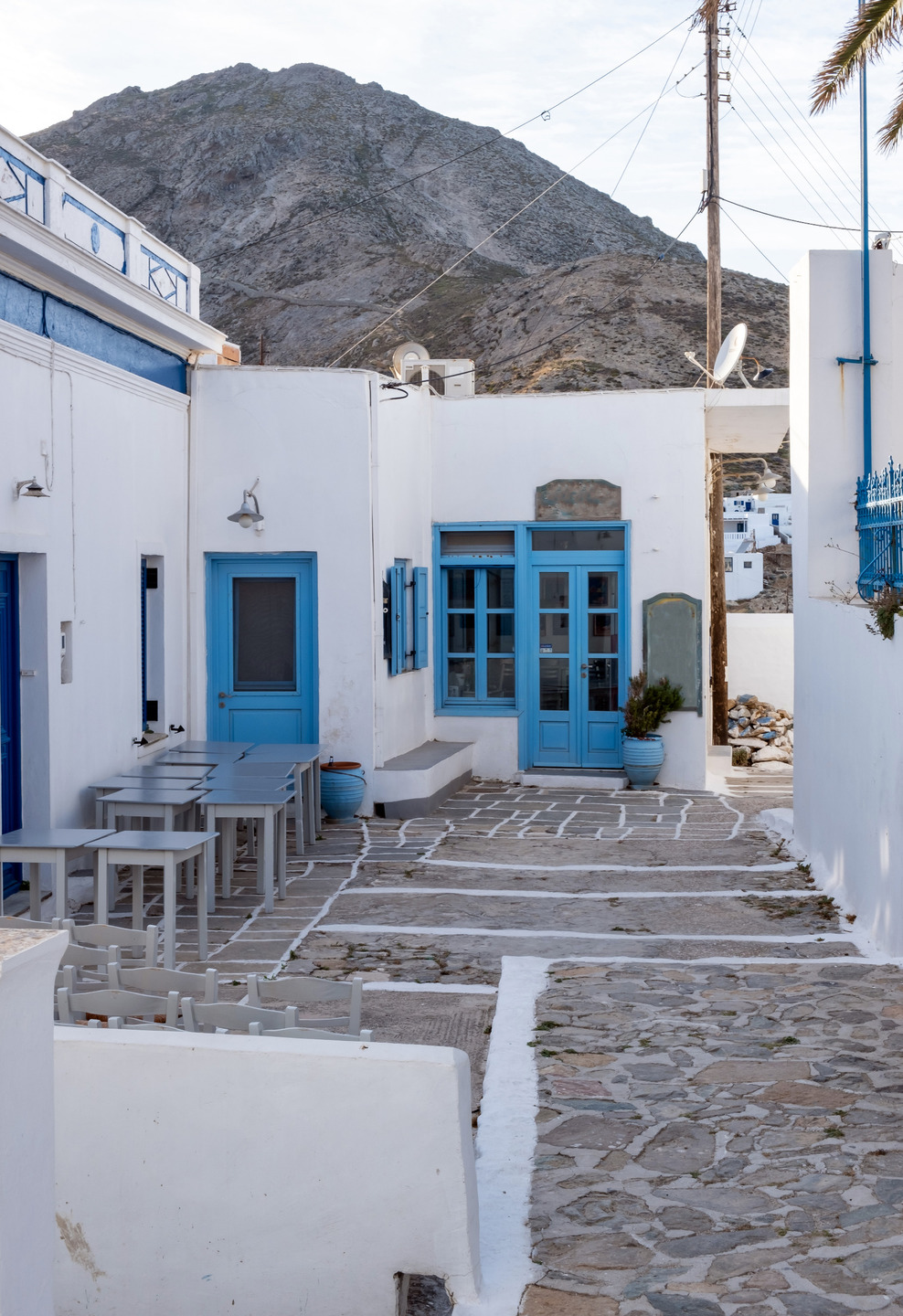
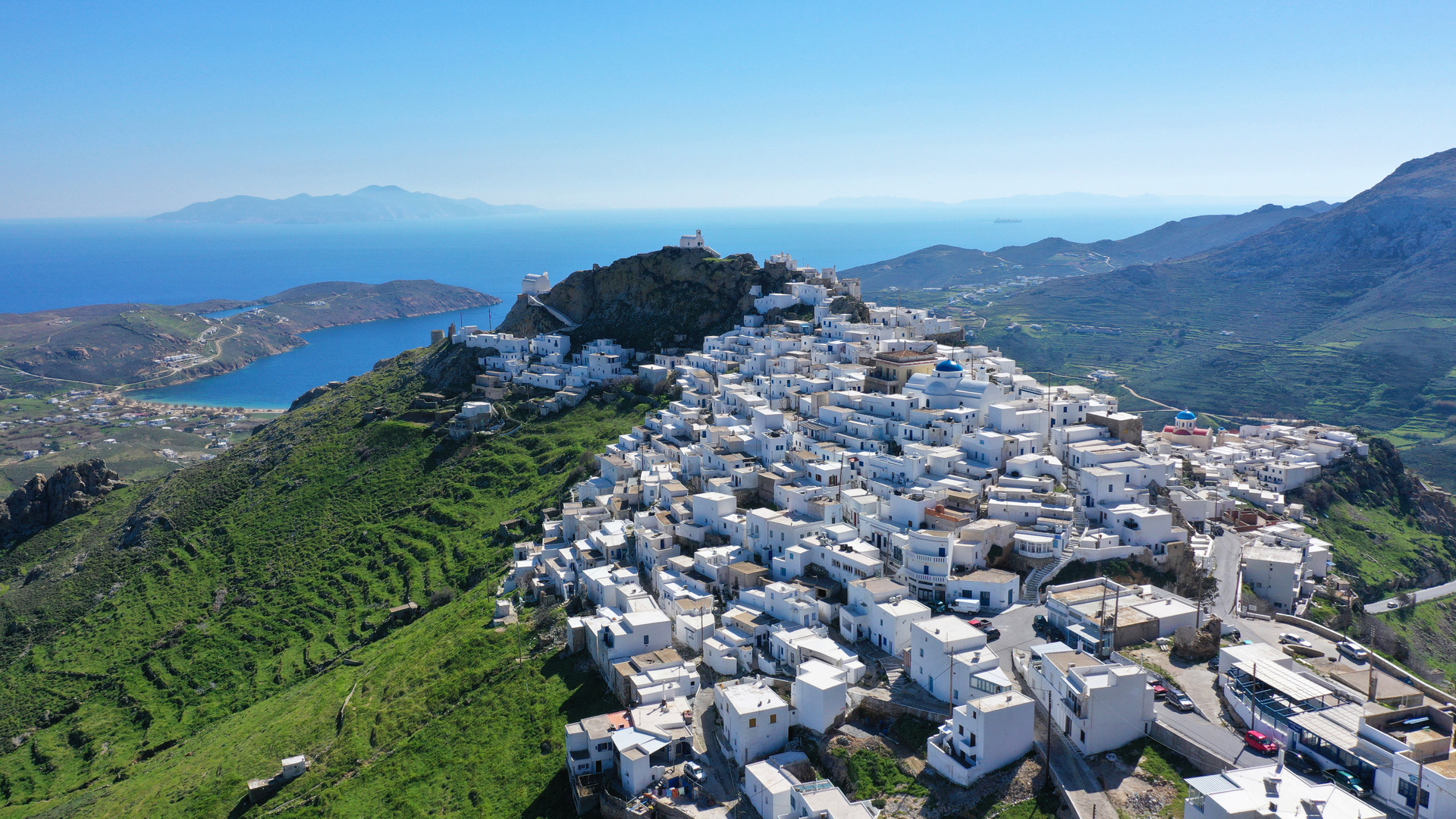
Chora, perched high on a steep rock, is a jewel of Cycladic architecture: narrow lanes, whitewashed houses, blue doors, small chapels, windmills, the ruins of a Venetian castle, and sweeping views of the Aegean together create a scene of striking beauty. Lower down lies Livadi, the island’s port and hub, home to restaurants, accommodations, a marina, and the Archaeological Collection. Among the inland villages, Galani stands out with the imposing Monastery of Taxiarches and its 18th-century frescoes; Panagia, home to the island’s oldest church; and Kallitsos, perched above a lush valley dotted with dovecotes and a lovely central square.
What makes Serifos truly unique is its rich mining and industrial heritage. In Koutalas, the remnants of miners’ houses and equipment still stand, while in Megalo Livadi - once the heart of mining activity - an open-air museum tells the story of the island’s metallurgical past. Here you’ll find the grand Administration Building designed by the famed architect Ernst Ziller, the loading bridge, old rail tracks and wagons, the museum, and the Monument of the Fallen Miners from the great strike of 1916 - a historic struggle that helped establish the eight-hour workday in Greece. Guided visits to the central mining tunnel at Megalo Livadi offer a fascinating journey into the island’s underground history.
The gastronomy of Serifos is rich, inventive, and deeply flavorful. Among its traditional dishes stand out kappari yachni (caper stew), oven-baked chickpeas with rosemary, fennel fritters, sun-dried tomatoes in batter, and fried syglino (cured pork) with eggs. Pedouli (goat or lamb), baked or cooked with greens, is a festive dish, while tsigarides - pork belly boiled and fried in its own fat with spices - and pork fricassee with cabbage keep alive the island’s long-standing pig-slaughtering traditions.
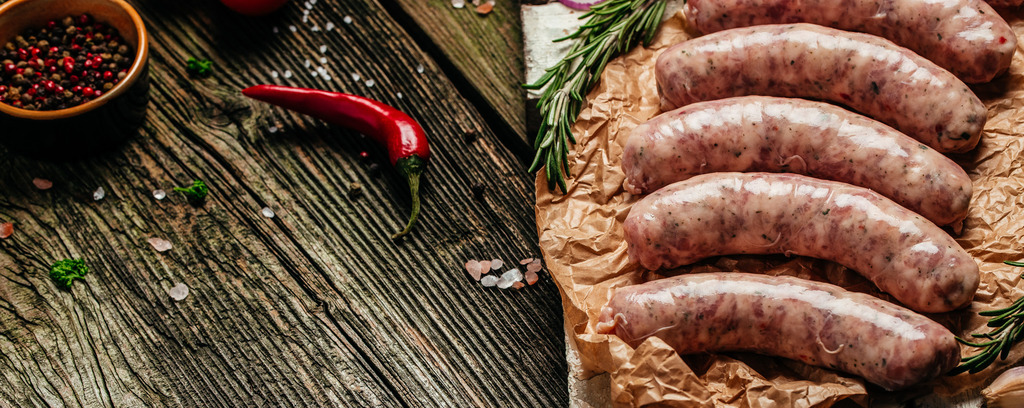
Local products are of exceptional quality and can be found in the island’s small shops: thyme or lavender honey, capers, figs, fennel, and local cheeses such as charaniou, Laina, and Lakkou; louza (cured pork) with cumin and spices; and traditional sausages - all authentic flavors of Serifos. Local wines made from the Serifiotiko and Psarosyriko grape varieties, along with souma, a distilled spirit similar to tsipouro and scented with saffron, pair perfectly with every meal. And, as on every Cycladic table, dessert has the final word - pasteli (sesame and honey bar) wrapped in lemon leaves, a symbol of joy and warm hospitality.
From its golden shores and inland trails to its mining tunnels and the fragrant scents of caper, thyme, and honey, the journey through Serifos rewards every visitor with authentic experiences and memories that linger.
Route products
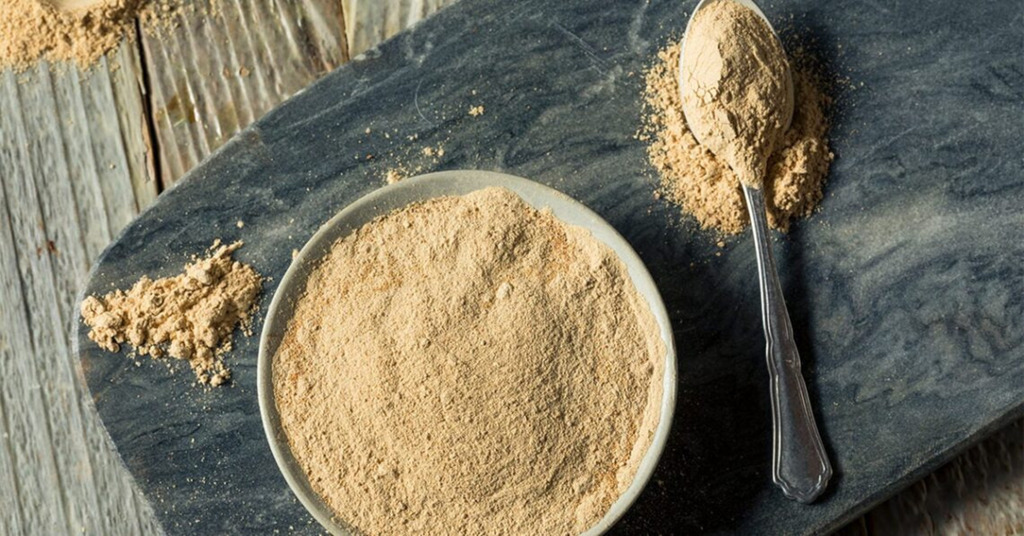
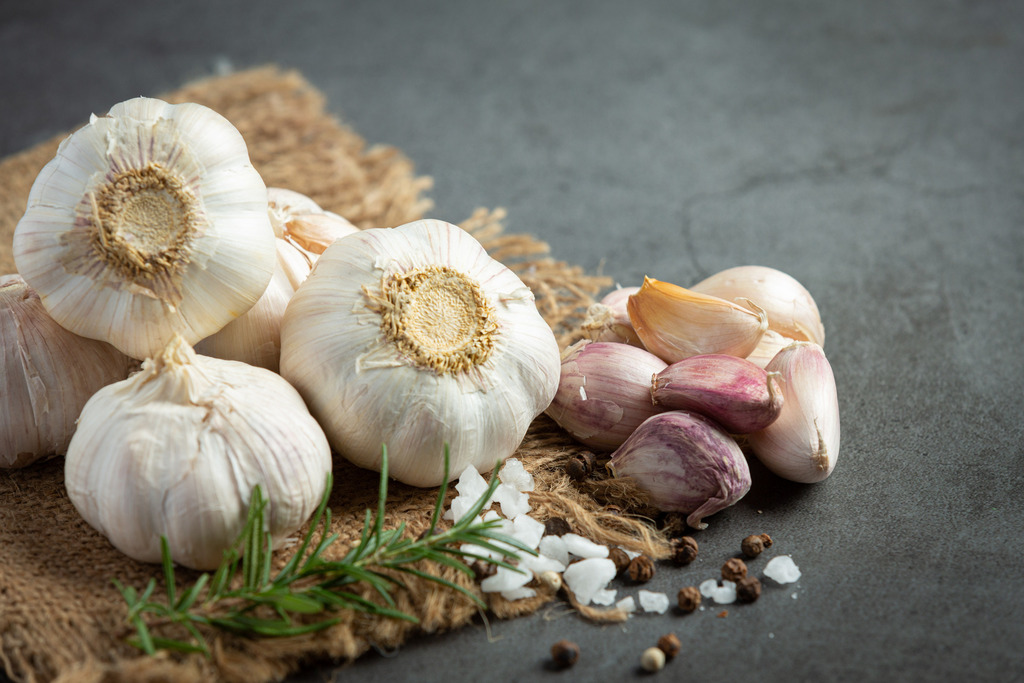
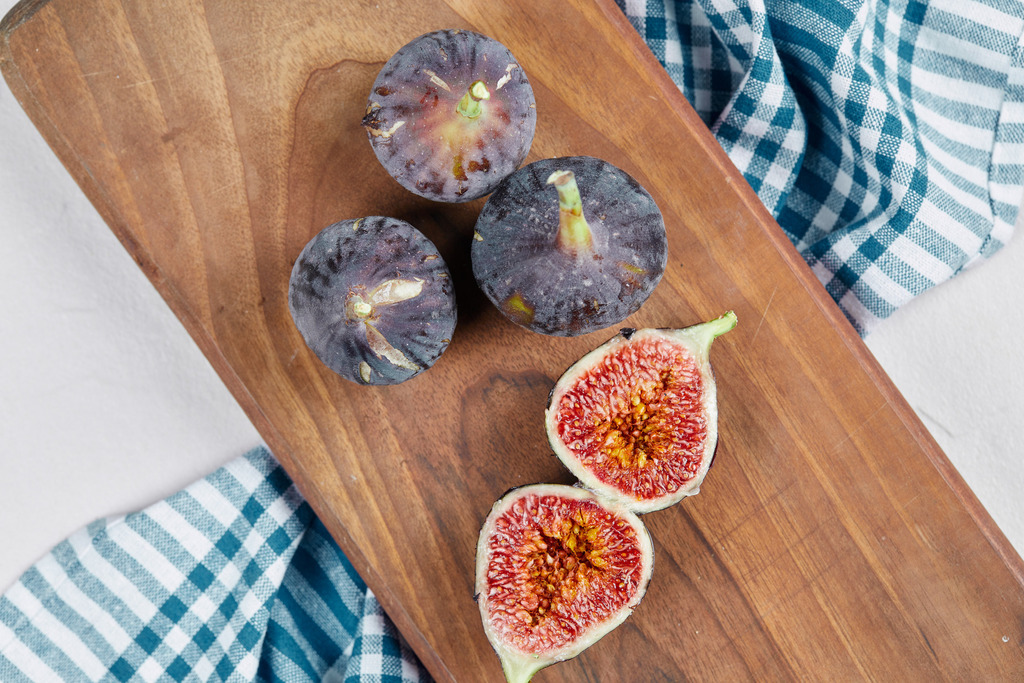
PGI Products
Cyclades Wine
Special Products
Thyme honey, wild lavender honey, figs, capers, myzithra tou charaniou (cheese made in a copper pot), tyri tou Laina (fresh myzithra aged in a clay vessel), tyri tou Lakkou (cheese coated with wine sediment and aged in a jar layered with savory), louza (cured pork) flavored with cumin, allspice, garlic, and pepper, local sausages, syglino (smoked pork), fennel, souma (a spirit similar to tsipouro, often scented with saffron), wines from the indigenous Serifiotiko and Psarosyriko grape varieties, fish, and seafood.
Route delicacies
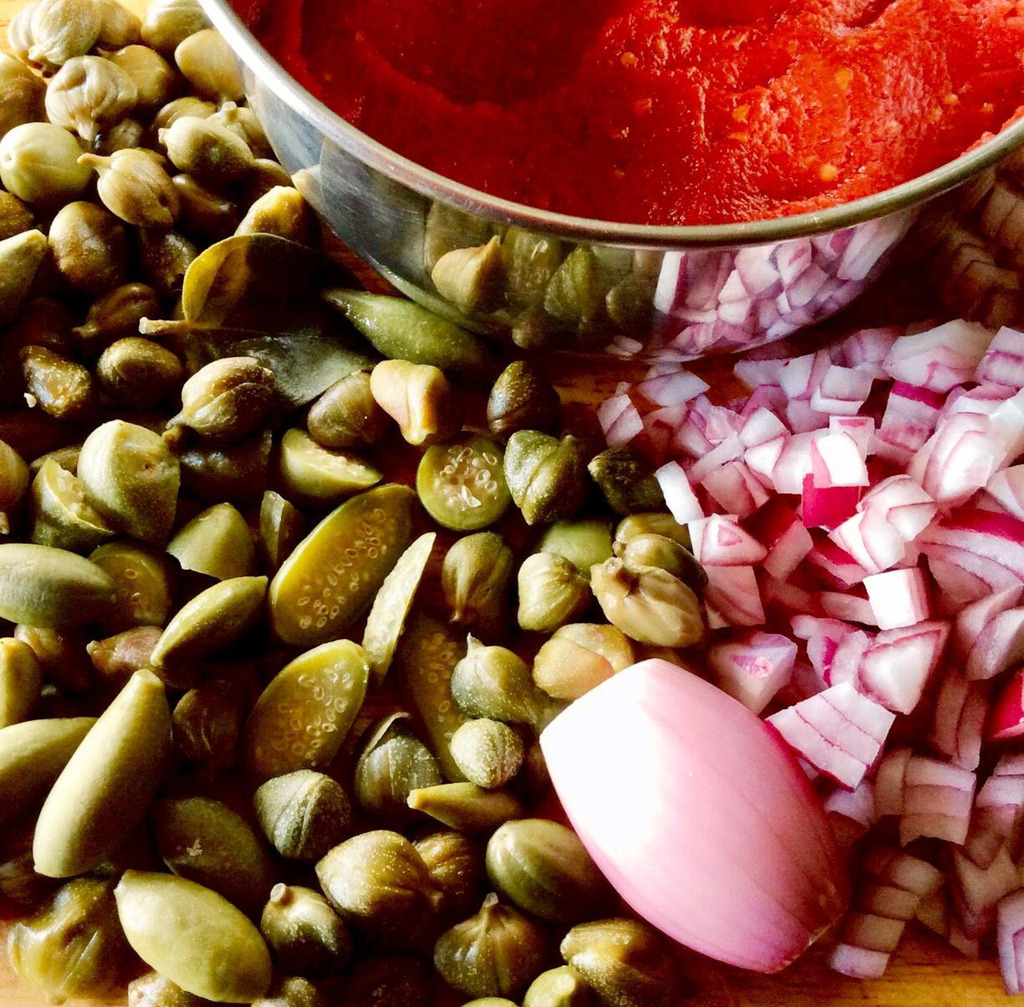
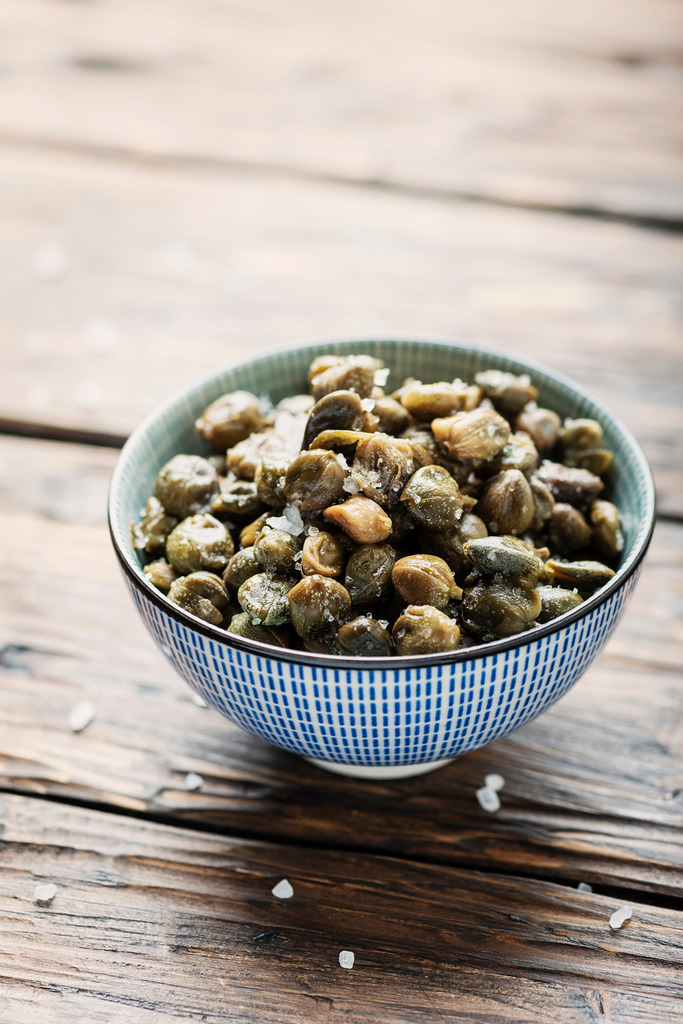
Caper Stew (Kappari Giachní)
Perhaps Serifos’ finest meze, this dish highlights the bold and tangy character of the island’s wild capers. Onions are sautéed in olive oil before adding the capers, which are then deglazed with wine. Tomatoes and bay leaves complete the dish, creating a rich, slightly spicy sauce full of depth and aroma. Served as an appetizer or side dish, it embodies the essence of Serifos simplicity and flavor.
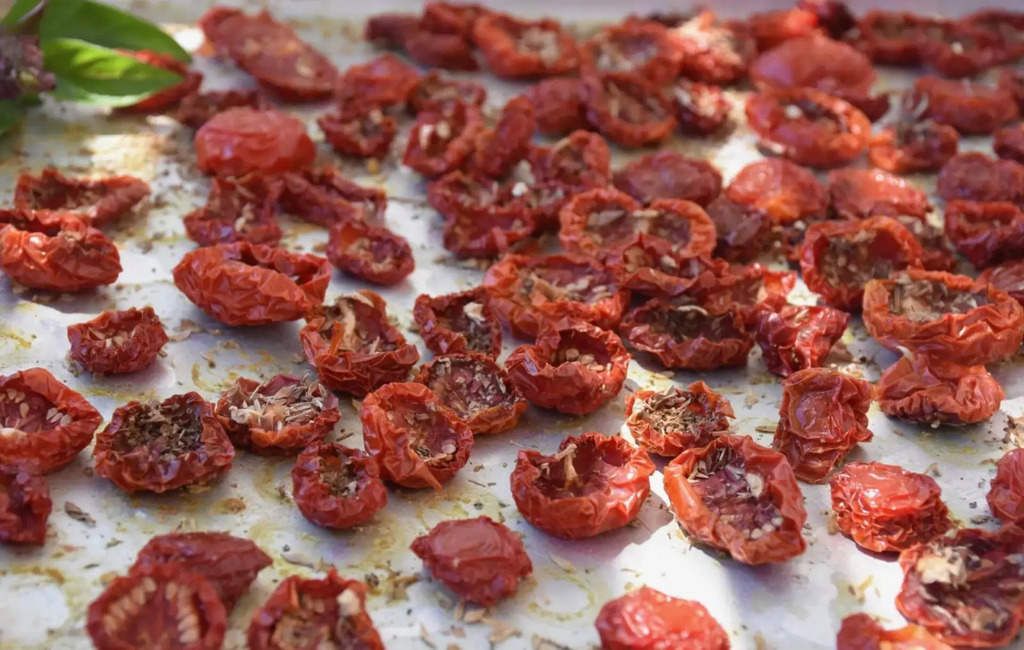
Fried Sun-Dried Tomatoes
A unique and characteristic dish that captures the rustic soul of Serifos cuisine. Sun-dried tomatoes are rinsed and soaked overnight to remove excess salt, then drained well and dipped in a thick batter made of flour, water, salt, and pepper. They are fried individually in hot olive oil until golden and crisp. A touch of lemon juice added to the batter makes them lighter and enhances their taste - a delightful explosion of the Aegean sun in every bite.
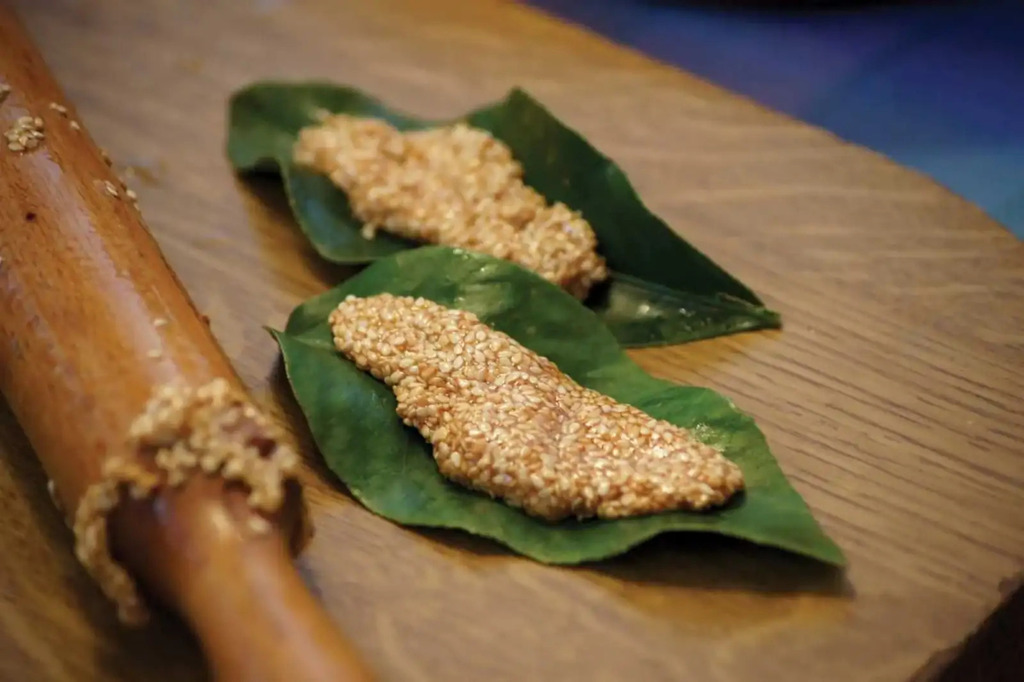
Pasteli (Honey–Sesame Bar)
The Serifian version of pasteli offers a crunchy texture of sesame bound with fragrant local honey in perfect harmony. Traditionally associated with weddings and joyful celebrations, this sweet treat symbolizes prosperity and abundance. The mixture of honey and sesame, infused with cinnamon and lemon zest, is spread on marble, cut into diamond shapes, and served on fresh lemon leaves, which impart a refreshing citrus aroma.