
White Steps: Santorini and Thirasia
This route is a journey-both maritime and terrestrial-that includes two islands extending around the famous caldera of Santorini. The land section can be traversed without stops, by car or motorcycle, and without the need for a guide. It starts from Santorini (route length approximately 100 kilometers, duration about 4 hours) and concludes at Thirasia (route length approximately 8 kilometers, duration about 30 minutes). The route is suitable for all seasons and is intended for visitors interested in local cuisine, culture, nature, and activities such as hiking, climbing, diving, horseback riding, wine tasting, geotourism, and thermal tourism.
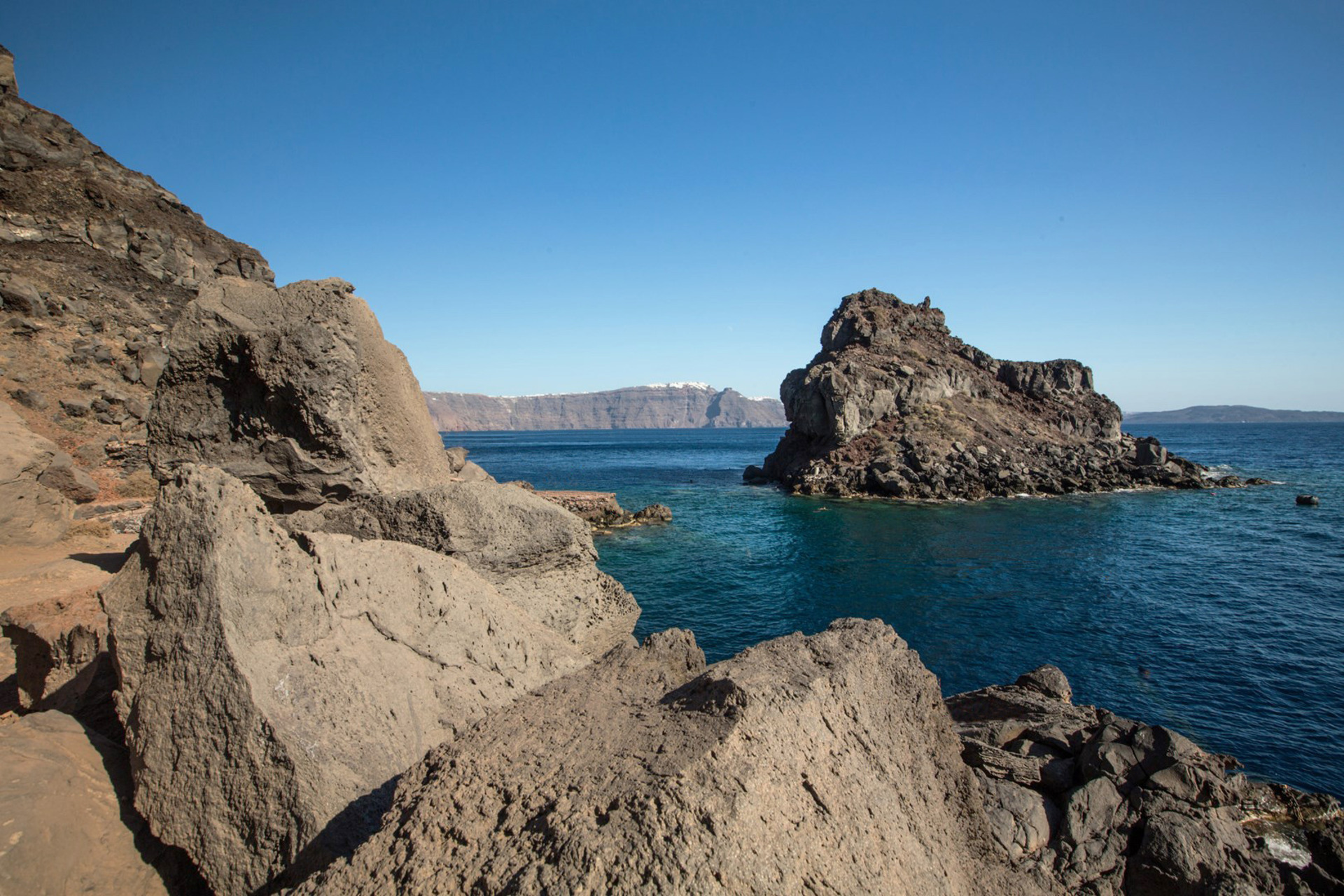
Santorini, the volcanic marvel of the Aegean, stands as a natural monument bathed in light and the deep blue of the sea. In ancient times it was called Strongyli, until volcanic eruptions changed its shape and created the unique caldera that embraces Santorini and Thirasia. Lava, sunlight, and sea salt shape an imposing landscape that captivates the eye, stimulates the senses, and has no equal anywhere in the world.
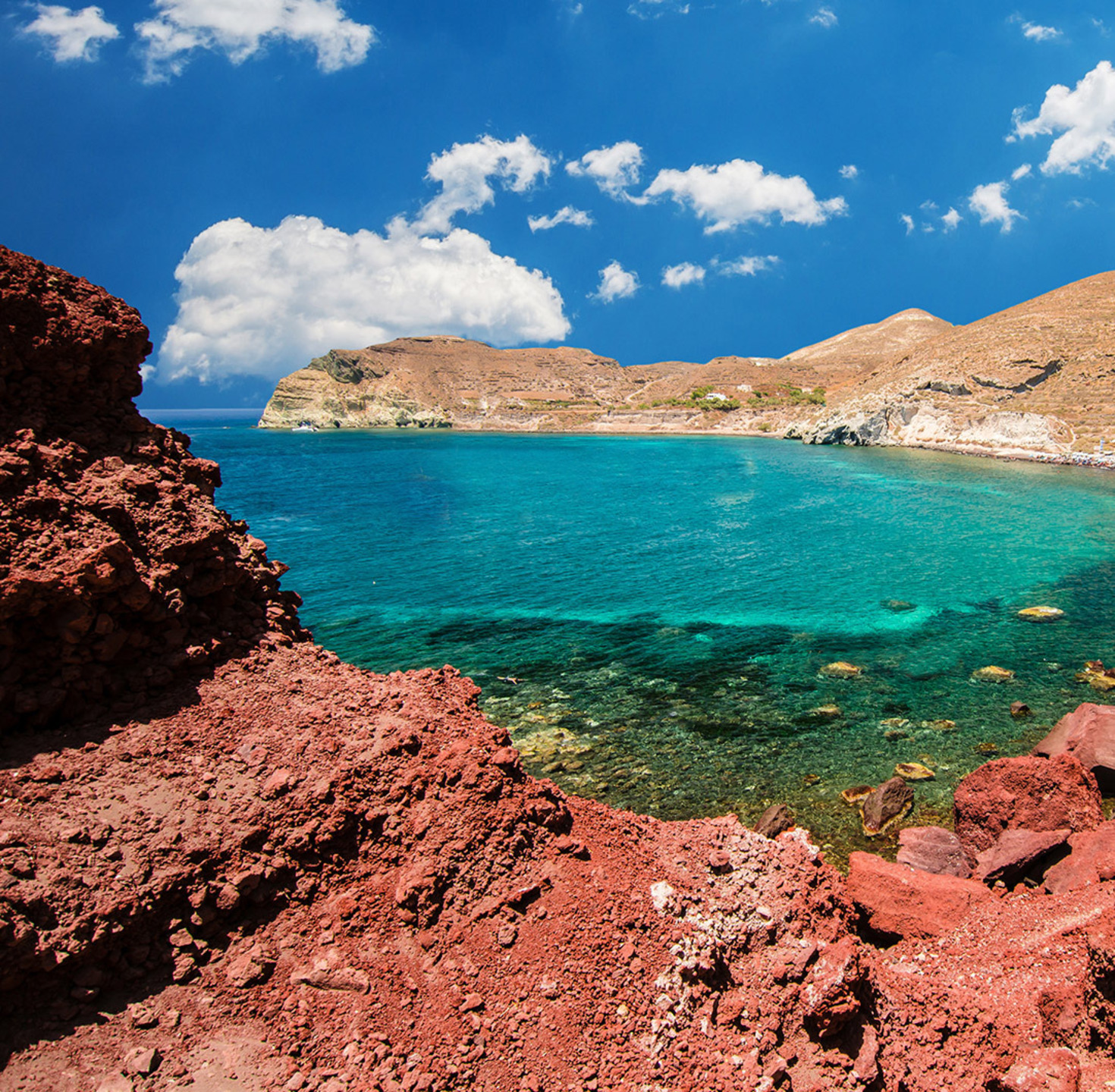
Its coasts combine the paradoxical with the sublime: the Red and White beaches at Akrotiri, the black sands of Perissa, Kamari, and Perivolos, and the beach of Koloumbo with its deep waters. Palea and Nea Kameni, with their hot springs bubbling from the heart of the volcano, serve as reminders that the earth here lies dormant and breathes-until it awakens.
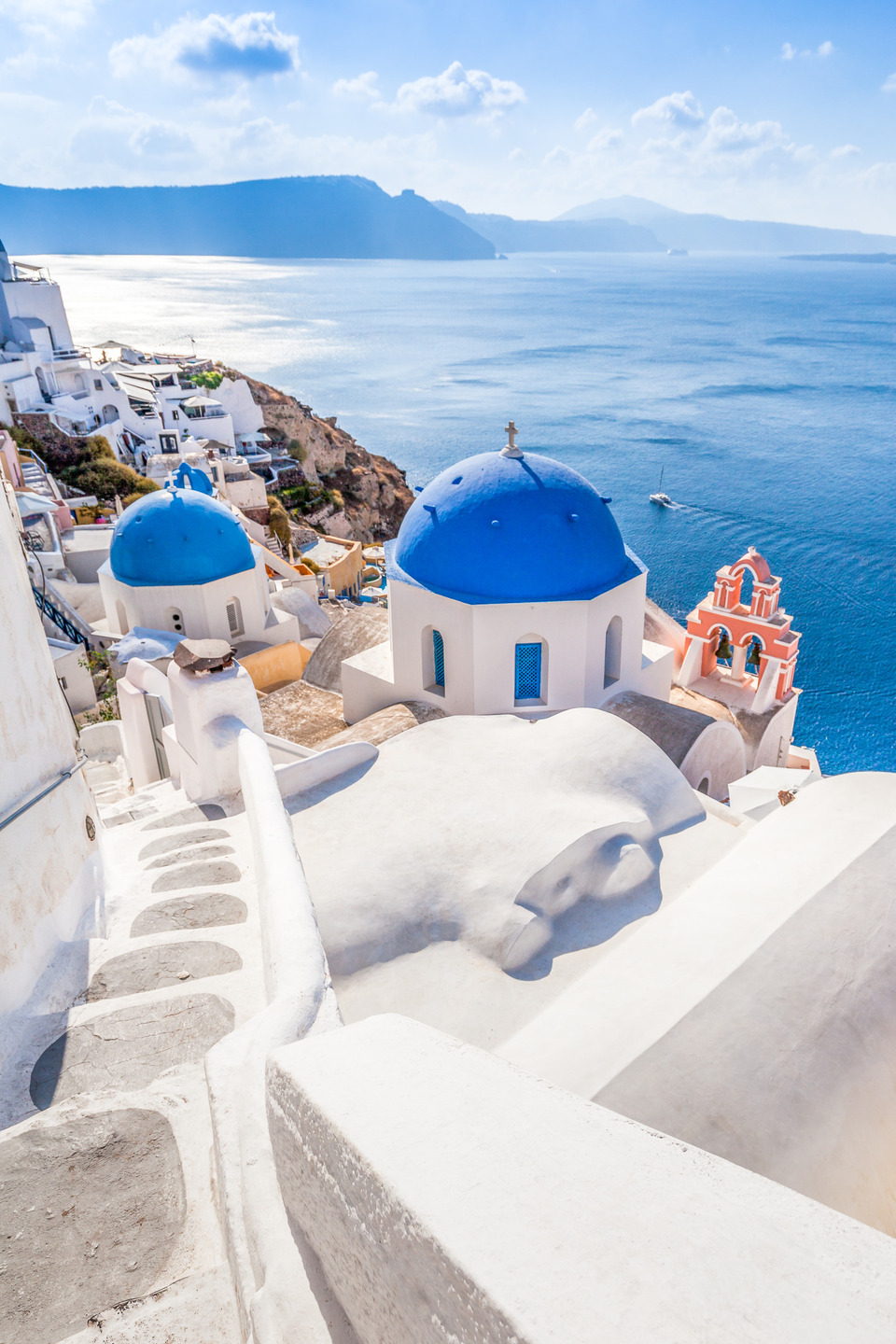
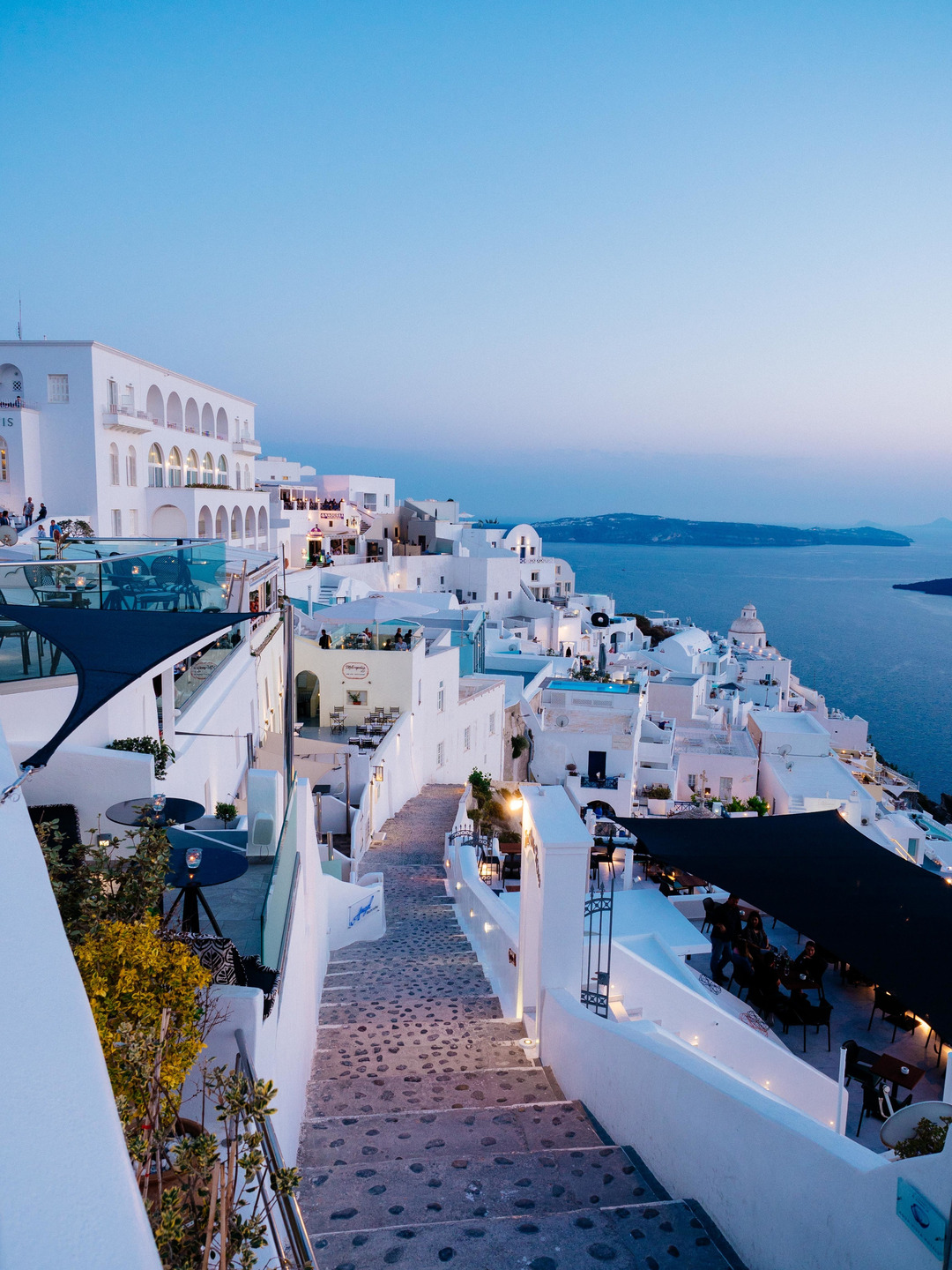
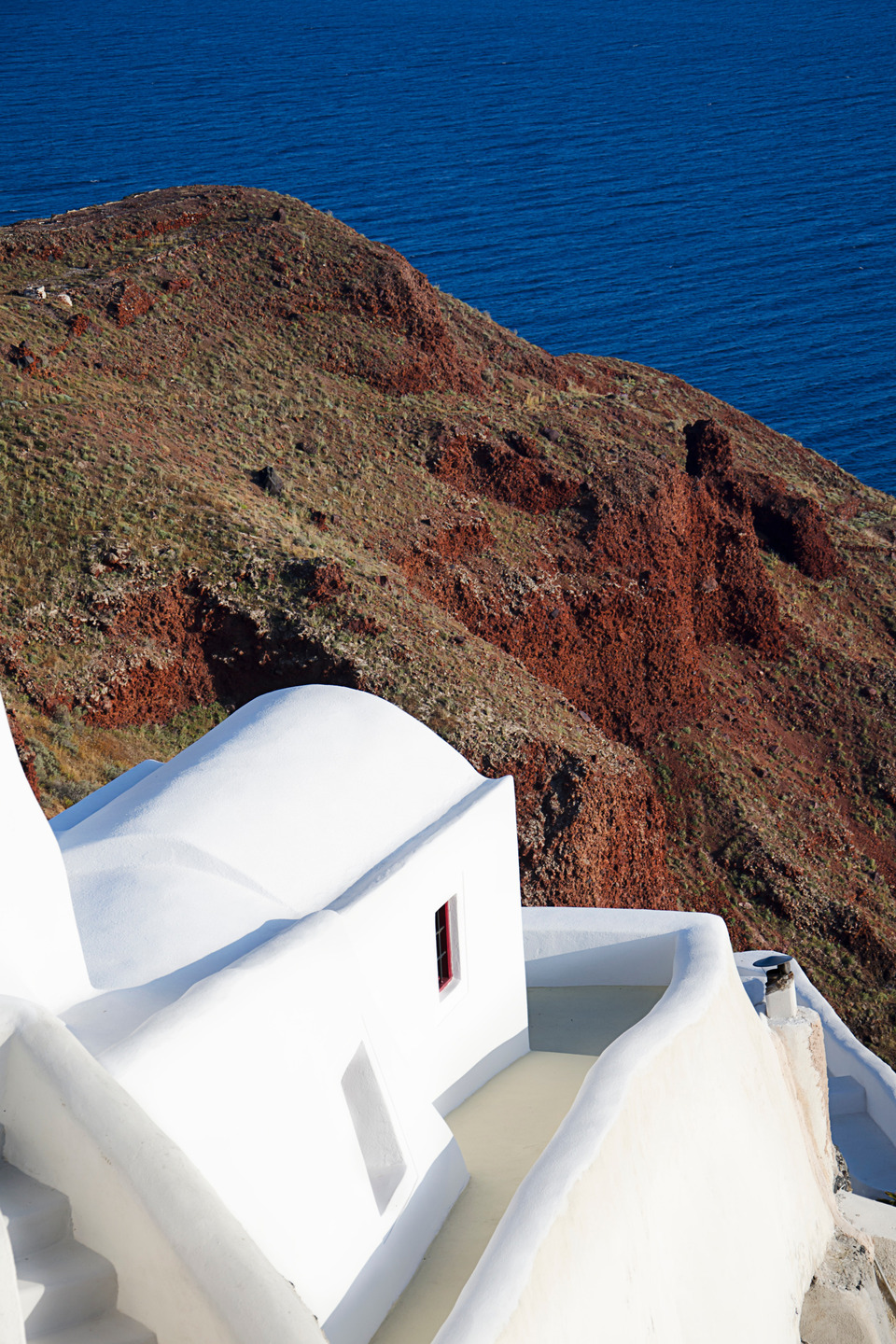
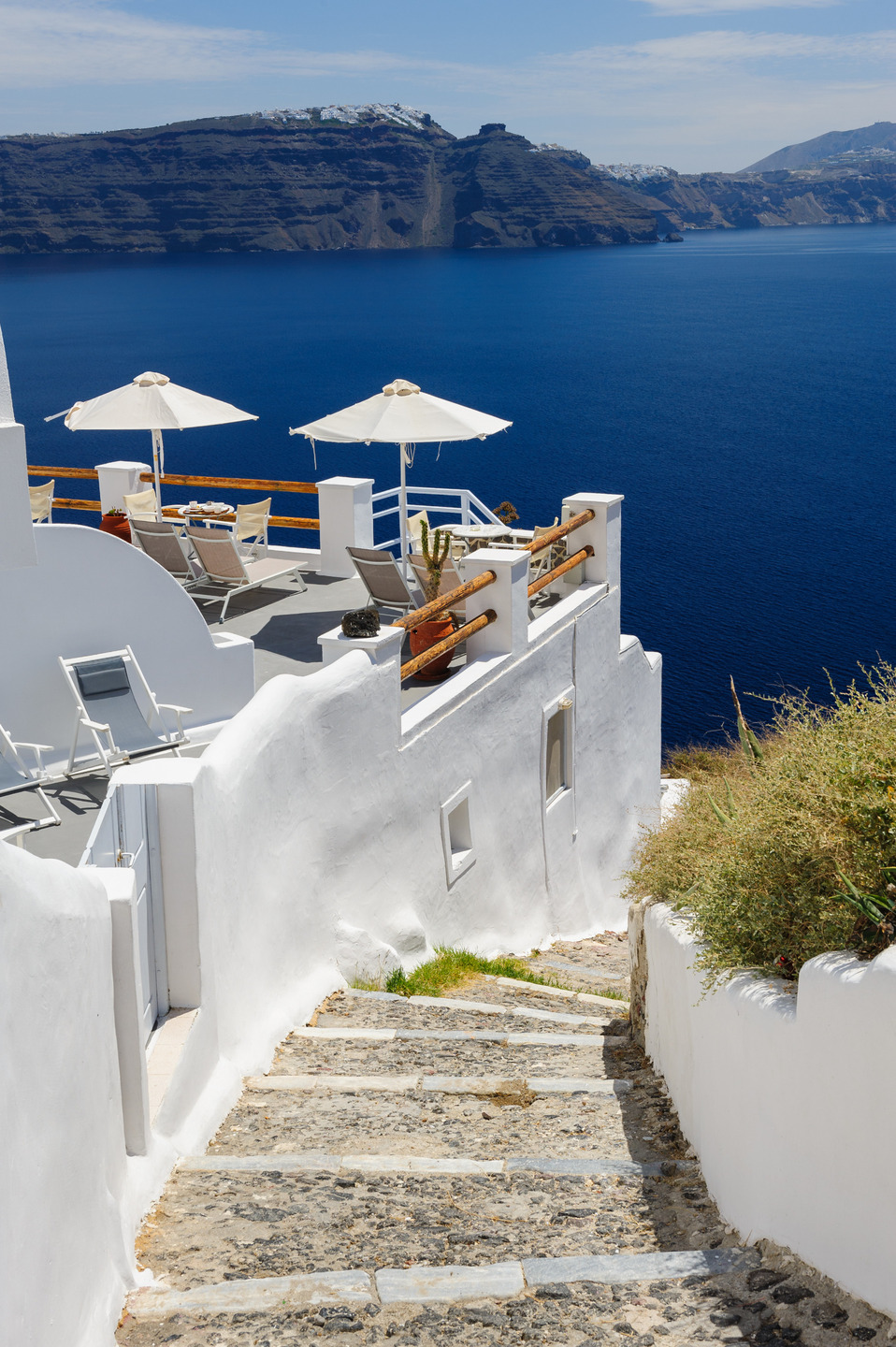
Fira teeters on the edge of the cliff, with blue-domed churches, museums, whitewashed houses, and narrow alleys offering panoramic views of the breathtaking volcano. Oia, at the northern tip, is the most lyrical balcony of the Aegean. The cave houses carved into the rock with their white façades, the grand mansions of captains and merchants, and above all, the most famous sunset in Greece, have made this place a global symbol of natural beauty.
The port of Oia, Ammoudi, is just one mile from Riva, the port of Thirasia, and a short boat ride is the easiest way to visit the island that has preserved the authentic spirit of the Cyclades. The largest settlement is Manolas, offering stunning views of the caldera and Santorini, while along the road connecting it to the port, dry-stone walls still stand-silent witnesses to the craftsmanship and labor of the builders of the past.
Pyrgos Kallistis, the most mountainous village of Santorini, retains its medieval character, with historic churches, cobblestone alleys, grand mansions, and the Monastery of Prophet Elias at its peak, offering a panoramic view of the entire island. Emporio, the settlement with the largest local population, also preserves its medieval charm, and its windmills are designated as historic and protected monuments.
Meanwhile, Kamari and Perissa, two settlements lying under the shadow of Ancient Thira, are separated by the imposing rock of Mesa Vouno. In the south of Santorini stands one of Greece’s most significant archaeological sites-Akrotiri-where Minoan houses, frescoes, streets, and an entire city were buried beneath volcanic ash and remained untouched for millennia. Across all of Santorini’s settlements, there are accommodations of every kind to suit all types of travelers.
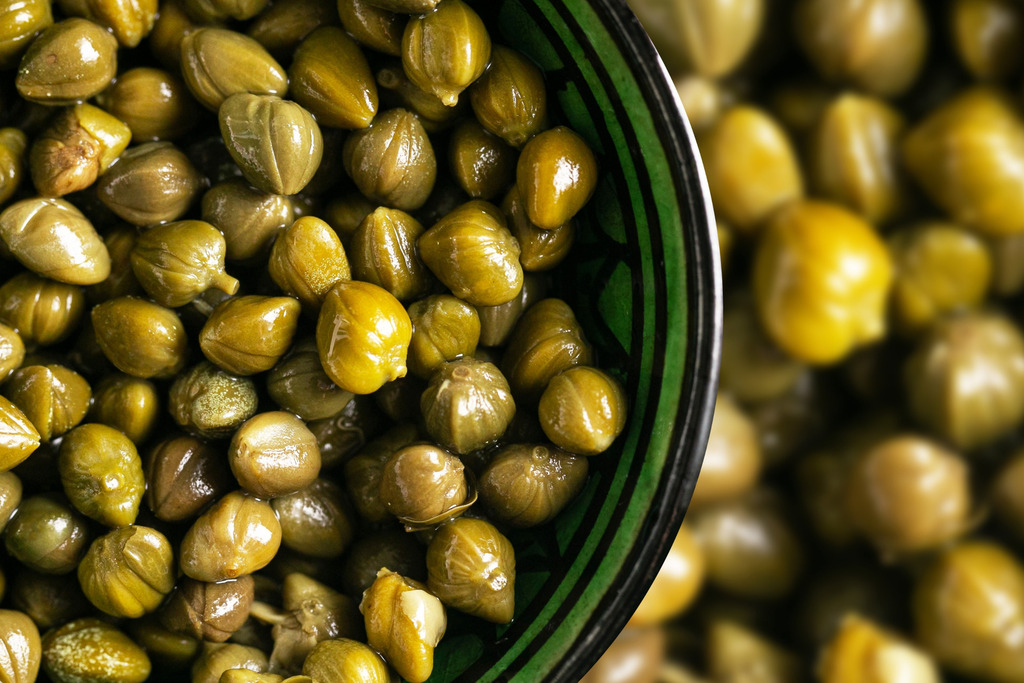
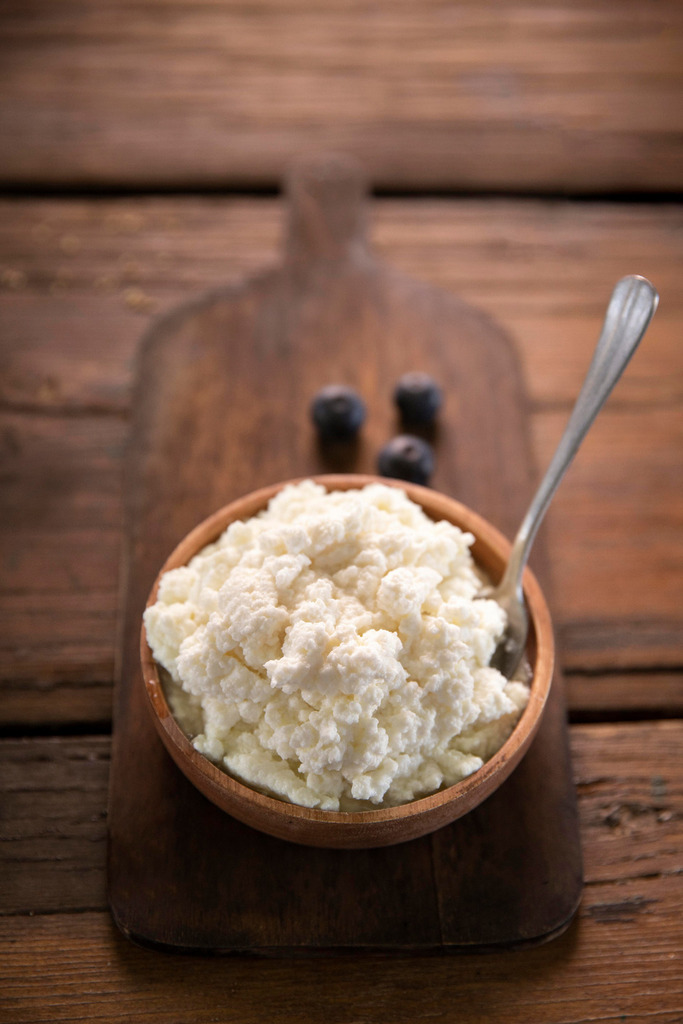
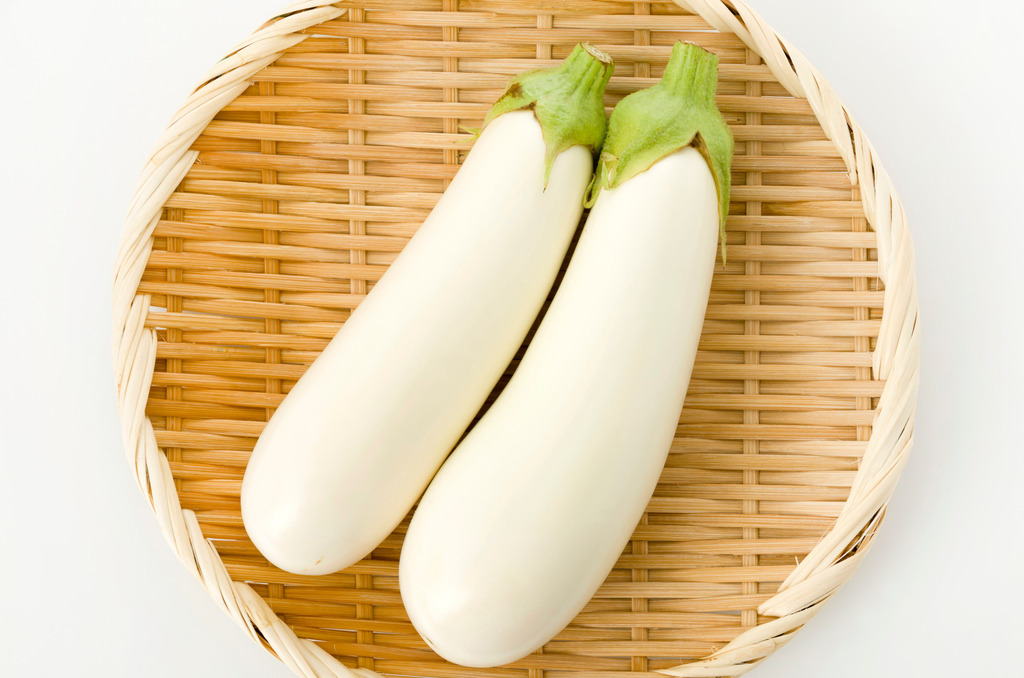
The soil of Santorini, with its unique volcanic composition and unexpected fertility, produces high-quality and renowned products that have established the island as a top gastronomic destination. Fava beans, cherry tomatoes, white eggplants, dry-farmed cucumbers and melons, wild capers, dryland potatoes, sea rocket, chloro cheese, and the traditional cured meat apochti are just a few of the local products that stand out from the island’s long list of celebrated delicacies. Across the water, the land of Thirasia yields equally flavorful fava and wild capers, as well as asparagus, wild cucumbers, and crisp, juicy round zucchini.
The cuisine of Santorini and Thirasia is a symphony of art, flavors, and aromas. Married fava, stuffed zucchini blossoms, tomato fritters, mock meatballs, anchovy pie, sgardoumia, battered cod, aimatia (a local blood sausage), and rabbit with egg sauce are just some of the dishes that showcase the richness and value of Santorini’s gastronomy. Complementing them are sweet delights like koufeto-a dessert of almonds and honey-and meletinia, pastries with mastic and myzithra cheese. On Thirasia, a spoonful of the unique sweet-and-sour mulberry preserve (sykamnoglyko)-a spoon sweet made from black mulberries-offers a taste found nowhere else.
No journey through Santorini is complete without a visit to one of the island’s renowned vineyards, which spread around Oia, Pyrgos Kallistis, and Emporio. There you can learn more about the island’s ancient viticulture, where vines are pruned in a distinctive circular shape to protect the grapes from the strong winds and intense summer sun. The sight of Santorini’s vineyards is truly unique-unlike anywhere else in the world-with the low, basket-shaped vines resting on the soil and the grape clusters hidden inside the woven ring. You will also have the chance to taste and purchase world-class wines from the varieties Assyrtiko, Nykteri, and Mavrotragano-each capturing the island’s soul, the scent of the sea, and the strength of the volcanic earth.
Route products
PDO Products
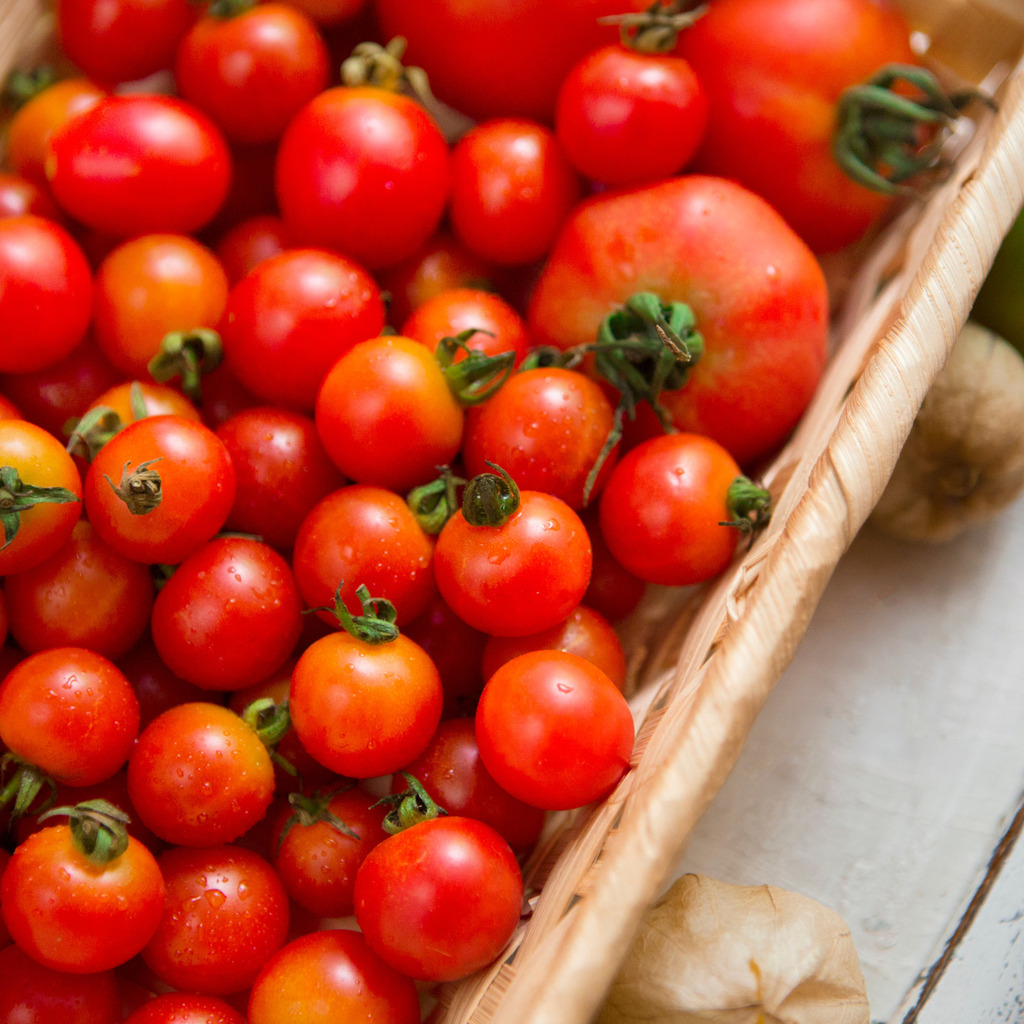
Santorini Fava, Santorini Cherry Tomato, Santorini Assyrtiko Wine
PGI Products
Cyclades Wine
Special Products of Santorini
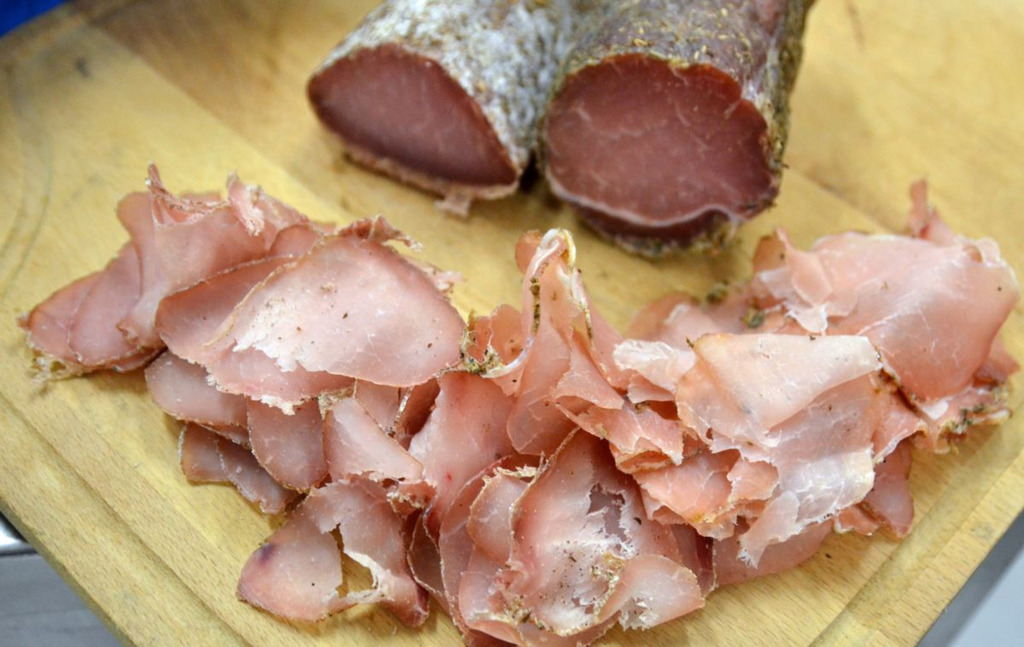
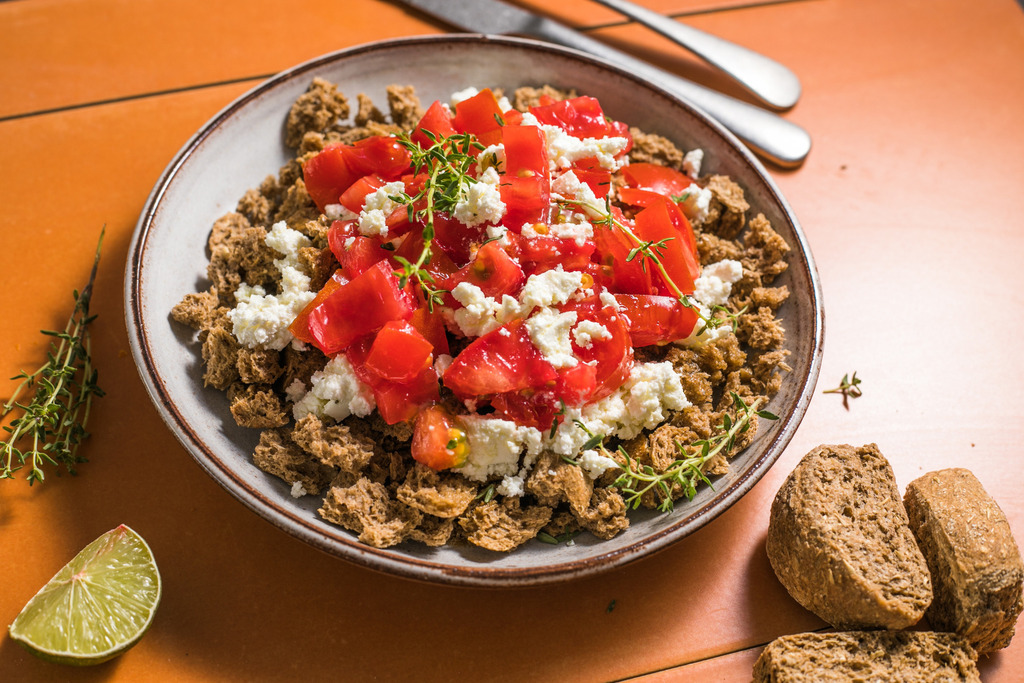
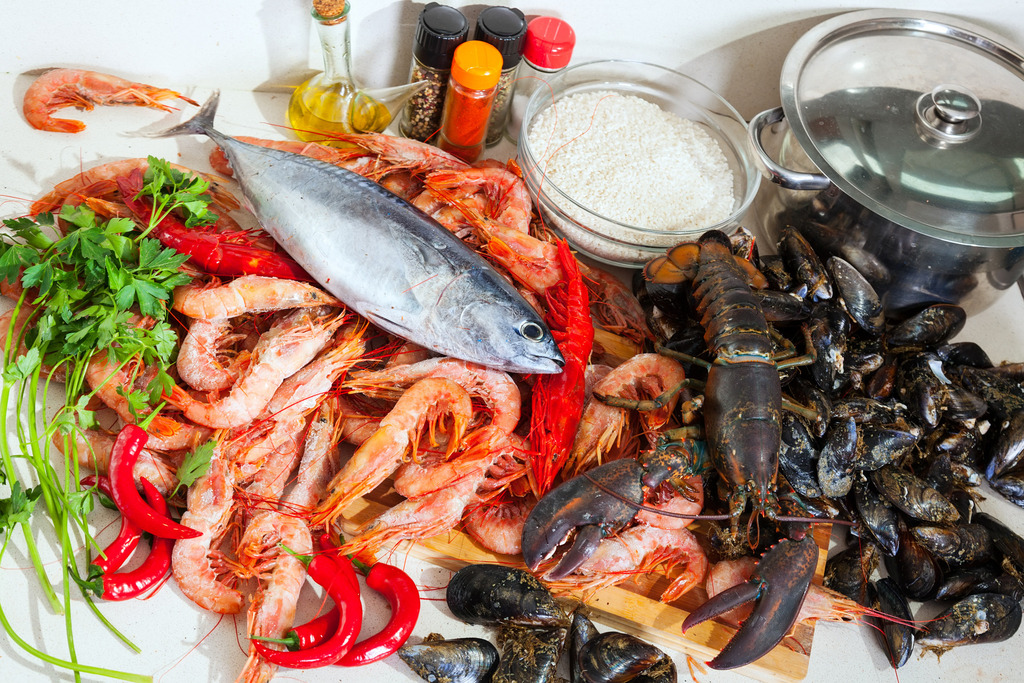
Fava, kopania (sweet made with barley and sesame), chloro cheese, sun-dried or pickled capers, white eggplant, sun-dried tomatoes, katsouni (dry-farmed cucumber), kaouni (small melon), dryland potatoes, wild kardamides (sea rocket), apochti (air-dried spiced cured pork similar to louza), barley rusks, psarolia (sun-dried fish), tomato paste, fish, and seafood.
Special Products of Thirasia
Fava, chloro cheese, tomatoes, wild capers and asparagus, wild cucumbers, and round zucchini.
Delicacies of Santorini
Tomato fritters (tomatokeftedes), eggplant salad, aimatia (intestines stuffed with rice and liver), rabbit tyravgoulo (braised rabbit in a thick sauce of egg, flour, kefalotyri cheese, wine, and bay leaf), atherinopita (fried anchovy pie with onion and batter), xelouristos (salted cod with tomato), stuffed zucchini blossoms with rice, tomato, and mint, sgardoumia (similar to magiritsa, made with tripe, intestines, and trotters), cod with potatoes or fava (traditional harvest-time meal), married fava, fava with eggplant, pseudokeftedes (meatless fritters with tomato and herbs), caper salad, koufeto (almond and honey sweet), and meletinia (pastries with myzithra cheese and mastic).
Delicacies of Thirasia
Sykamnoglyko, a spoon sweet made from black mulberries.
Route delicacies
Santorini Tomato Fritters
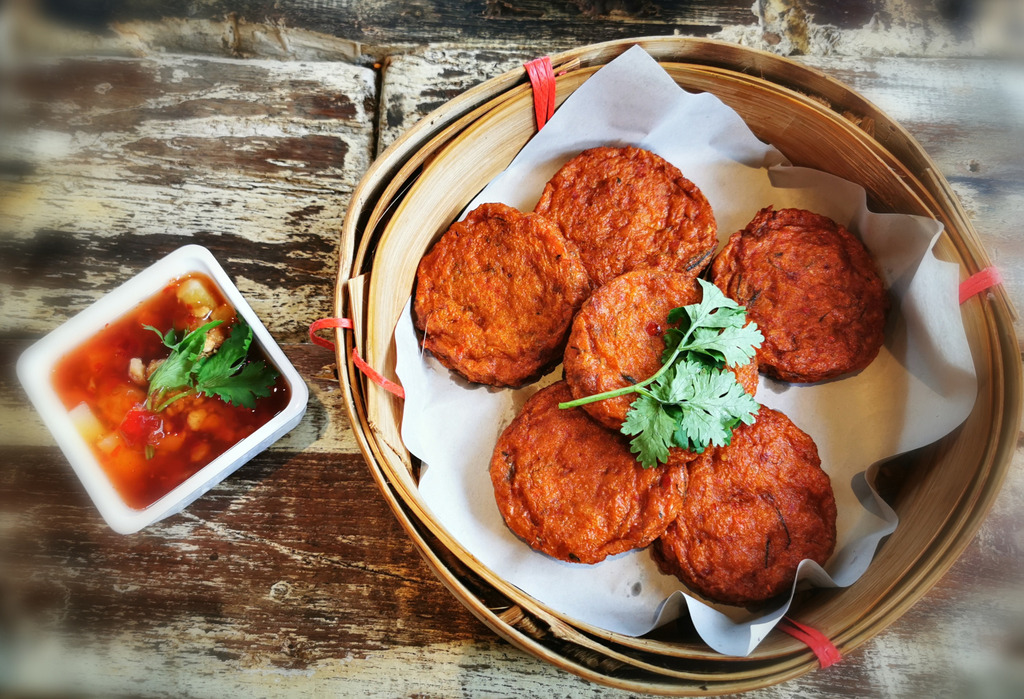
One of the most renowned dishes of Santorini’s cuisine-and perhaps the best tomato fritters in Greece. They combine the subtle acidity of ripe tomatoes with the sweetness of onion and the gentle freshness of mint. The mixture, thick yet juicy, is fried in hot olive oil to form a crispy crust that encloses a soft, airy interior. The balance between the crunchy exterior and the tender, flavorful inside creates a rich and exceptional result.
Santorini «Married» Fava
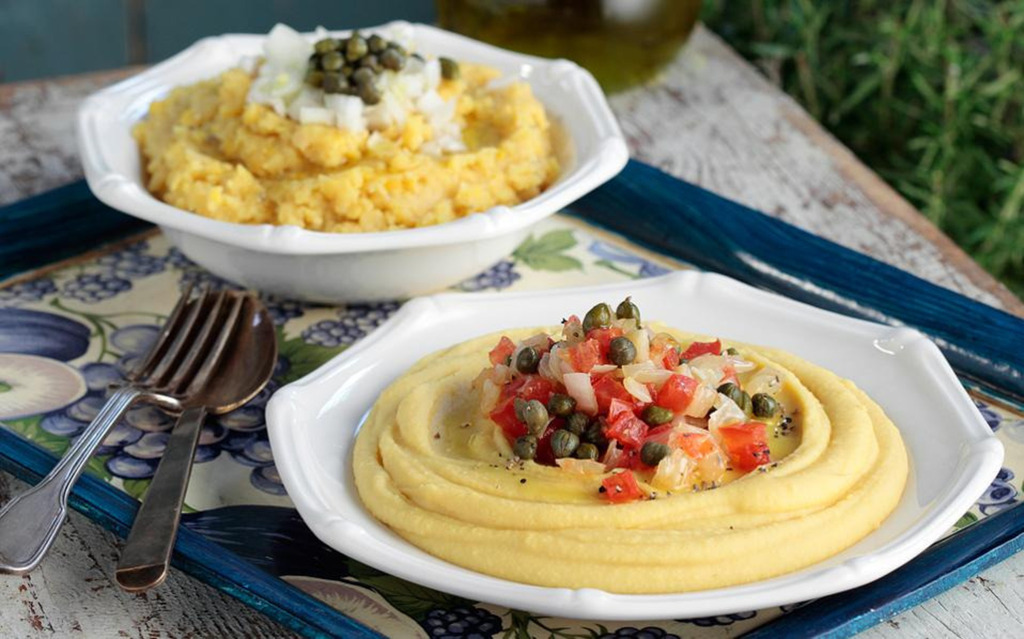
Fava is one of the most distinguished products of Santorini’s volcanic soil. Thanks to the dry climate and the sea breeze, it develops a deep yellow color and distinctive flavor. When combined with other ingredients such as onion, capers, or tomato, locals call it «married.» The texture is velvety, with olive oil giving it a rich, silky feel, while the sauce and garnish of capers, onions, and local cherry tomatoes add intensity, aromatic depth, and a refreshing acidity that blends beautifully with the creamy base. It is ideally served with fresh bread or barley rusks and accompanied by white wine.
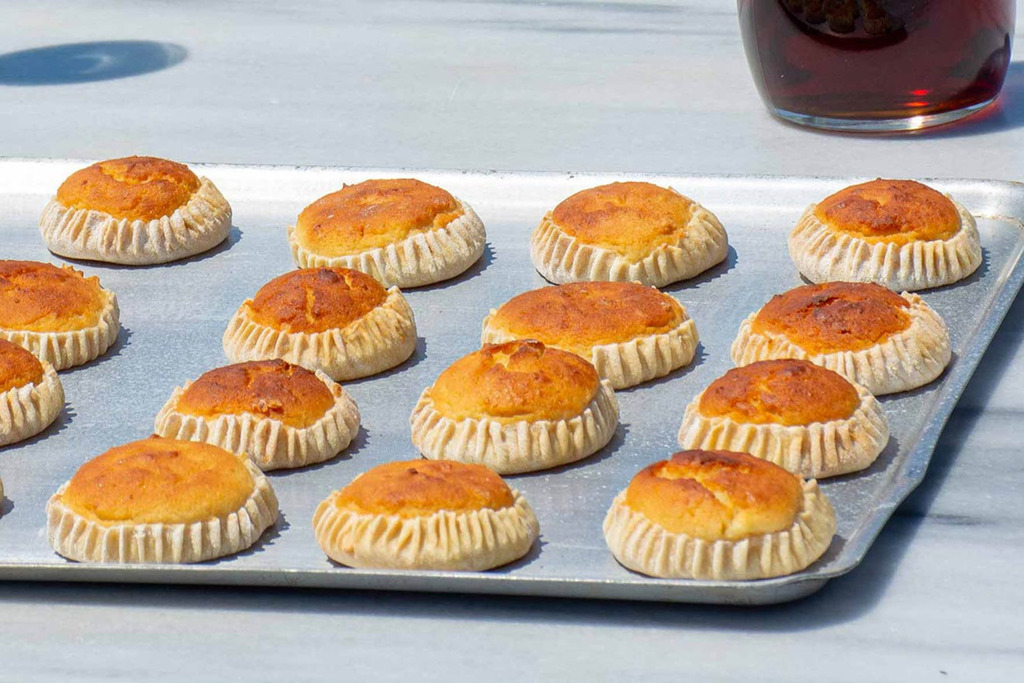
Meletinia
An emblematic traditional dessert typically prepared at Easter-though enjoyed year-round-across many Cycladic islands, especially in Santorini. The name derives from the Greek words for «honey» (meli) and «cheese» (tyri). In the past, they symbolized household resourcefulness, made from leftover bread dough, fresh unsalted goat cheese from Santorini, and local thyme honey. Their lace-like edges are a sign of artistry and skill. Their unique flavor is enhanced with cloves, cinnamon, vanilla, and orange zest, while the addition of mastic gives them a delicate aromatic lift.